Sensitive Skin Triggers: What to Use and What to Avoid
You try a cleanser with excellent reviews and your skin turns red. You try a serum that works for everyone you know, and it stings. You read the ingredient list and cannot identify anything obviously wrong. The reason is that sensitive skin does not react to ingredients the way a standard hazard list would predict. It reacts to a broader, more personal set of triggers that depend on the current state of your skin barrier.
Understanding the difference between sensitive skin and a sensitized skin barrier changes how you approach every product decision. Once you know which ingredients to avoid and why, choosing products that calm rather than challenge the skin becomes much simpler. For a full step-by-step routine, see How to Build a Skincare Routine for Sensitive Skin.
Sensitive Skin vs Sensitized Skin
These two terms are often used interchangeably, but they describe different conditions.
Inherently sensitive skin tends to have a thinner outer layer, a naturally lower level of barrier lipids, and heightened nerve reactivity. People with this skin type usually have a lifelong history of reactivity, often alongside conditions such as eczema or hay fever. The threshold is simply lower: what other skin tolerates without a response triggers a visible reaction.
Sensitized skin has become reactive because of external factors. Over-exfoliation, repeated exposure to irritants such as fragrance, alcohol denat., and certain preservatives, aggressive cleansing, prolonged stress, or harsh weather can all weaken the barrier enough that once-tolerated products begin to sting, flush, or cause breakouts. Sensitized skin is usually acquired and is often reversible.
The practical difference: if your skin has always been reactive, you will manage it long-term. If it was tolerant and became reactive, the first priority is barrier repair. Once the barrier recovers, many products that irritate now will become tolerable again.
The Most Common Triggers in Skincare
Fragrance is the most common cause of cosmetic contact allergy, and that includes natural fragrance from essential oils as well as other fragrance blends. Fragrance or Parfum on an ingredient list can represent many individual compounds. For skin that is currently reactive, formulas made without fragrance remove the most likely irritant immediately.
Alcohol denat. in high amounts can weaken the barrier over time, increasing water loss and making skin more vulnerable to irritants.
High-strength exfoliating acids and retinoids speed up cell turnover beyond what a compromised barrier can support. Gentler botanical retinol alternatives offer a slower, better-tolerated route to smoother-looking skin.
SLS and SLES can disrupt the acid mantle and strip barrier lipids. Moving away from harsh cleansers is one of the most effective single changes for reactive skin.
What Sensitive Skin Actually Needs
Barrier-supporting lipids. Ceramides, fatty acids, and plant butters reinforce the outer layer of the skin and slow water loss.
Humectants that hydrate without stinging. Glycerin, sodium PCA, and hyaluronic acid draw water into the outer layers without the irritation potential of stronger actives.
Prebiotic support. A healthy skin microbiome helps regulate immune responses and the barrier. Reduced microbial diversity is associated with increased reactivity.
Niacinamide. Has well-documented anti-inflammatory activity, supports ceramide production, and is generally well tolerated. See What Does Niacinamide Do for Skin.
Gentle cleansing. Sensitive skin should never feel tight or stripped after cleansing.
Products That Suit Reactive Skin
Start with products formulated without fragrance, because fragrance is the trigger most worth removing while skin is reactive. Once your skin has settled, you can reintroduce products with light natural fragrance one at a time.
Morning
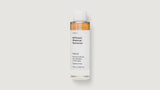
Cleanse: On most mornings, lukewarm water is enough. If you need more, ARNEUX DISSOLVE · BiPhasic Makeup Remover on a cotton pad lifts overnight oil gently. It is formulated without fragrance, with chamomile and sea buckthorn in a two-phase oil and water formula. COSMOS certified.
Moisturize: A thin layer of ARNEUX REST · Sensitive Skin Overnight Cream. Although designed for night, its formula of aloe, jojoba, mango butter, red algae extract, and hyaluronic acid, made without fragrance or essential oils, works as a calm daytime base for reactive skin. Certified organic.
SPF: Mineral SPF is generally better tolerated than chemical filters on reactive skin.
Evening
Cleanse: DISSOLVE to remove SPF and makeup, then rinse with lukewarm water. If your skin tolerates light fragrance, ARNEUX BARE · Micellar Cleansing Water is a gentle, certified organic alternative with aloe, chamomile, and linden.
Overnight moisturizer: REST, applied generously. For skin that is dry as well as sensitive, ARNEUX NIGHT · Nourishing Rich Cream is also formulated without fragrance, with cocoa butter, shea butter, and argan oil for a richer overnight seal. COSMOS certified.
Once Your Skin Has Settled
When reactivity has calmed for a few weeks, a hydrating serum can add comfort. ARNEUX SHIELD · Bioactive Prebiotic Barrier Serum combines a prebiotic Lactobacillus ferment lysate with sodium PCA and hyaluronic acid to support hydration and microbiome balance. It contains alcohol and fragrance, so patch test before adding it to your routine.
Additional Considerations
Introduce one new product at a time, with at least a week between additions. Patch test on the inner arm or along the jaw for two to three days before applying to the full face. Use lukewarm water, since hot water dissolves barrier lipids more aggressively. Watch for cumulative fragrance load across multiple products, including natural fragrance from essential oils.
If your skin tolerates light fragrance, the FORTIFY routine brings SHIELD, REST, and REFRESH together for barrier support. Discover it on the ARNEUX Routines page, or explore the Sensitive Skin collection. For the science behind barrier repair, see How to Repair Your Skin Barrier.
Frequently Asked Questions
What ingredients commonly irritate sensitive skin?
Fragrance, essential oils, alcohol-heavy toners, strong acids, and harsh surfactants are frequent triggers.
Fragrance is one of the most common causes of cosmetic contact allergy, according to dermatology research. That includes natural fragrance from essential oils. Strong exfoliating acids and high-strength retinoids can also cause stinging when used too often. Check ingredient lists for parfum/fragrance and limonene or linalool, which are common fragrance allergens. REST is a 100% fragrance-free night cream with zero essential oils, and DISSOLVE is a fragrance-free makeup remover.
Is fragrance-free the same as unscented?
Not always; unscented products can contain masking fragrances, while fragrance-free means no fragrance has been added.
The safest check is the ingredient list: look for parfum or fragrance, and declared allergens such as limonene, linalool, and geraniol. NIGHT is a fragrance-free, allergen label free moisturizer with cocoa butter, argan, and shea butter. Note that some ARNEUX products, such as AURA and FOCUS, do contain fragrance; patch test those first if you are sensitive. Patch test for 7 to 10 days.
How do I calm irritated skin quickly?
Stop all active products, rinse with cool water, and apply a plain fragrance-free moisturizer.
Give skin 3 to 7 days with just a gentle cleanser, moisturizer, and mineral sunscreen. Avoid hot water, scrubbing, and new products during this time. A light mist such as REFRESH can add comfort through the day. SHIELD is a prebiotic serum designed to support the skin barrier. If you see swelling, blistering, hives, or intense itching, stop all products and see a doctor.
Can weather trigger sensitive skin?
Yes; cold wind, dry indoor heating, heat, and sun can all make sensitive skin react.
In winter, low humidity pulls water from the skin, while wind adds friction. Switch to a richer moisturizer, use a humidifier at home, and keep showers short and lukewarm. In summer, wear SPF 30 or higher and reapply every 2 hours outdoors. BARE micellar water is a gentle no-rinse way to cleanse when skin feels reactive. Then moisturize. Cover your face with a scarf in strong wind.