Your skin has started reacting to products it tolerated for months. Or you moisturize twice a day and still feel tight by mid-morning. Or there is new redness, and even gentle formulas sting. These are not random events. Together they point to one thing: the outermost protective layer of your skin is not working as it should.
Understanding what the barrier is, what damages it, and how to help it recover is one of the most useful things you can learn about skincare. Dryness, sensitivity, and many breakouts are worsened by a compromised barrier. Support it, and everything else becomes easier to manage.
What the Skin Barrier Is
The skin barrier is the stratum corneum, the outermost layer of the epidermis. It is made of flattened skin cells (corneocytes) held in a lipid matrix of ceramides, cholesterol, and free fatty acids. The familiar analogy is bricks and mortar: the cells are the bricks and the lipids are the mortar.
The barrier does two jobs. It slows transepidermal water loss (TEWL), the constant evaporation of water through the skin. And it limits how easily irritants, allergens, and microbes get in.
When the lipid matrix is intact, skin is calm and holds moisture well. When it is depleted, water escapes more freely, which feels like dryness and tightness, and irritants penetrate more easily, which shows up as redness, stinging, and reactivity.
The skin microbiome, the community of microorganisms on the skin's surface, is closely linked to this. A balanced microbiome and the skin's slightly acidic surface (roughly pH 4.5 to 5.5) both support normal barrier function.
Signs Your Skin Barrier Is Damaged
Any combination of the following suggests barrier stress: tightness or dryness despite daily moisturizer, new redness or flushing, stinging when applying products that never caused a reaction before, rough or uneven texture without an obvious cause, unusual breakouts, and products that seem to sit on the surface instead of absorbing.
The more of these that appear together, and the more recently they started, the more likely something has disrupted the barrier rather than skin simply changing with age.
What Damages the Skin Barrier
Over-exfoliation. The most common cause of acute barrier damage. Acids (glycolic, lactic, salicylic) and scrubs remove outer layers of the stratum corneum. Used too often, too strongly, or alongside other actives, they strip the barrier faster than it can rebuild.
Over-cleansing. Cleansing too often, for too long, or with a formula that leaves skin tight removes the lipids the barrier depends on. The feel after rinsing is a useful guide: comfortable, not squeaky.
Ingredients you personally react to. Fragrance is one of the most common causes of cosmetic contact allergy, and some people also react to specific preservatives, essential oils, or alcohol. Not everyone is sensitive to these, but a reactive barrier is the time to simplify.
Retinoid irritation. Peeling, redness, and tightness during a retinoid adjustment period are signs of barrier stress. In sensitive skin, that disruption can persist.
Environment. UV exposure, low humidity from heating or air conditioning, wind, and cold all deplete barrier lipids over time.
Hot water. Long, hot showers strip surface lipids. Temperature and time matter more than most people realize.
How to Repair the Skin Barrier
Barrier repair is mostly subtraction. Adding more products to a disrupted routine usually makes things worse.
Step 1: Remove what is causing the damage
Pause acids, scrubs, and retinoids for at least two weeks. Stop using anything that stings. Shorten showers and use lukewarm water. A barrier cannot recover while it is still being disrupted.
Step 2: Simplify to a gentle cleanse and a comforting moisturizer
During the repair phase, use as few products as possible: a gentle cleanse, a moisturizer that seals in water, and sunscreen in the morning. The skin can then put its resources toward recovery.
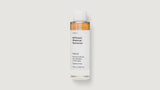
Cleanse gently, once a day. In the evening, a mild cleanse is enough. In the morning, a rinse with cool water often suffices. ARNEUX DISSOLVE · BiPhasic Makeup Remover lifts makeup and sunscreen with chamomile, sea buckthorn, and raspberry, with no rinsing required, and its ingredient list includes no added fragrance. COSMOS certified.
Moisturize to seal in water. ARNEUX REST · Sensitive Skin Overnight Cream is made without fragrance and combines aloe, jojoba, mango butter, red algae, and hyaluronic acid. During the repair phase it can be used morning and evening. Certified organic.
For very dry skin at night, ARNEUX NIGHT · Nourishing Rich Cream is a richer option with cocoa butter, shea, argan, olive, and cloudberry, and no added fragrance. COSMOS certified.
For oily or combination skin that finds a cream too rich in the morning, ARNEUX DEW · Hydrating Gel is an oil-free gel with aloe, zinc PCA, and hyaluronic acid. It contains fragrance, so introduce it once your skin has settled.
Step 3: Protect against further depletion
Apply SPF every morning. UV is one of the main ongoing stressors on barrier lipids. Keep water lukewarm, and in heated or air-conditioned rooms, reapply moisturizer during the day if skin feels tight.
Step 4: Reintroduce products one at a time
After two to four weeks, once stinging and redness have eased, reintroduce products one at a time, a week or two apart.
A barrier-support serum is a sensible first addition. ARNEUX SHIELD · Bioactive Prebiotic Barrier Serum combines Lactobacillus ferment lysate, sodium PCA, and hyaluronic acid to support hydration and a balanced skin microbiome. It contains fragrance and alcohol, so patch test first if your skin is still reactive. COSMOS certified.
Treatment actives come next. A botanical retinol alternative such as the Bidens pilosa extract in ARNEUX GLOW is usually gentler than retinol, but start every other evening. Vitamin C follows in the morning. Acids should come last, at a low frequency, after a month of stable skin.
The FORTIFY · The Skin Barrier Routine brings the barrier-support steps together once your skin is ready for them.
The Role of the Microbiome
The microbiome and the barrier support each other. Beneficial microorganisms help maintain the skin's acidic surface, which barrier enzymes need to function. Stripping cleansers, antibacterial products, and over-exfoliation disrupt both at once. This is why prebiotic and ferment ingredients are increasingly used in barrier care: they aim to support the environment the barrier depends on, rather than only adding lipids on top.
How Long Barrier Repair Takes
Mild disruption (a week or two of over-exfoliation, a reaction to a new product): two to four weeks of a simplified routine typically restores comfort.
Moderate disruption (months of irritation or persistent dryness): four to eight weeks before significant improvement, and longer for full resilience.
Severe or long-standing disruption, including eczema flares or prescription retinoid irritation, benefits from a dermatologist's guidance alongside a gentle routine.
Maintaining a Healthy Barrier
Once your skin is calm, keep the habits that helped: gentle cleansing, a moisturizer that suits your skin, daily sunscreen, and new actives introduced slowly. The barrier needs ongoing support, especially through seasonal changes and whenever you add something new.
For a complete routine built around a calm barrier, see How to Build a Skincare Routine for Sensitive Skin. If your moisturizer never seems to be enough, see Why Your Moisturizer Might Not Be Working.
Frequently Asked Questions
How long does it take to repair a damaged skin barrier?
Mild barrier damage often settles within two to four weeks once irritating products are paused and skin is kept moisturized.
The outer layer of skin renews roughly every few weeks, so give it time. Signs of improvement are less stinging, less tightness, and fewer flakes. If symptoms persist, worsen, or include cracking or rash, see a dermatologist, as eczema or other conditions may need treatment. Pause exfoliating acids, scrubs, and retinoids during this time. Use lukewarm water and a gentle cleanser. Apply a fragrance-free moisturizer twice a day. Expect 2 to 4 weeks.
What helps repair the skin barrier?
A gentle cleanser, a fragrance-free moisturizer, and a break from exfoliants and strong actives.
Barrier-friendly ingredients include ceramides, glycerin, and fatty acids. SHIELD is a prebiotic serum designed to strengthen the natural skin barrier and absorb without residue. REST is a fragrance-free night cream with zero essential oils. FORTIFY combines SHIELD, REST, and REFRESH mist in one routine. Use SHIELD morning and evening and REST at night. FORTIFY saves $21 compared with buying each product separately.
What damages the skin barrier?
Over-exfoliating, harsh cleansers, hot water, too many actives, and dry air are the most common causes.
Using several acids or retinoids at once is a frequent culprit. Wind and indoor heating dry skin out too. Simplify to a few gentle steps, and reintroduce actives one at a time once your skin is comfortable. Signs of barrier damage include stinging when you apply products, tight skin after cleansing, and flaking. Most cases improve within 2 to 4 weeks of gentler care. Wear SPF daily, as compromised skin can feel more sensitive to the sun.
If your cleanser leaves skin feeling tight, swap it for a gentler one. CLEANSE is a gentle gel-to-foam facial wash that removes impurities and makeup residue while preserving the natural moisture barrier. Apply to damp skin, massage gently until it foams, and rinse with water, morning and evening. It is 99% natural origin and COSMOS NATURAL certified by ECOCERT Greenlife. It contains fragrance, so patch test first if your skin is reactive.
Can I wear makeup while repairing my skin barrier?
Yes, but choose gentle formulas and remove them carefully.
Rubbing to remove makeup can be harder on skin than the makeup itself. Use a fragrance-free remover such as DISSOLVE, pressed onto skin with a cotton pad, then wiped away without rinsing. Keep coverage light while your skin recovers. A tinted product with skin-friendly ingredients, such as BLEND CC cream stick with ceramides, can be a gentle option. Cleanse gently afterward.