How to Build a Skincare Routine for Sensitive Skin
You tried a product that was supposed to be gentle and woke up the next morning with redness you spent the rest of the week managing. Or you have stayed with the same minimal routine for years because every time you add something new, your skin reacts. Sensitive skin does not behave the way most skincare advice assumes. More actives rarely mean better results. The goal is the smallest number of well-chosen products that do the most work without triggering inflammation.
Here is how to build that routine from scratch.
What Sensitive Skin Actually Is
Sensitive skin covers a wide range of experiences, and understanding yours matters before adding any product.
Reactive skin: Flushes, stings, or reddens in response to products, temperature changes, or environmental triggers. Often related to a compromised barrier that lets irritants in more easily.
Rosacea-prone skin: Persistent redness, visible blood vessels, and flushing, often aggravated by heat, alcohol, fragrance, and strong actives. A dermatologist can confirm rosacea and recommend treatment.
Eczema-prone skin: Prone to dryness, itching, and flares. The barrier is structurally impaired, so hydration and protection come first.
Allergy-prone skin: Reacts to specific ingredients. Common culprits include fragrance, essential oils, and certain preservatives. Patch testing is essential.
What these share is an easily disrupted skin barrier. The outermost layer of skin keeps moisture in and irritants out. When it works well, skin is calm and resilient. A sensitive skin routine should be built around supporting that barrier, not challenging it.
The Core Rules for Sensitive Skin
Start with products made without fragrance. Fragrance, listed as Parfum or Fragrance, and essential oils are among the most common causes of cosmetic contact allergy. While skin is reactive, choose formulas that do not list them. Unscented can still mean a masking fragrance has been added, so read the ingredient list.
Limit drying alcohols. Alcohol denat. in high amounts can weaken the barrier and increase water loss.
Keep it short. Fewer products mean fewer potential triggers and make it easier to identify what your skin does not like.
Choose independently certified formulas. A sensitive skin label is not regulated. COSMOS certified formulas have had their full ingredient lists reviewed against a published standard that restricts synthetic fragrance, parabens, PEGs, and petrochemical-derived ingredients. Certification does not mean a product is made without fragrance, so always check the ingredient list too.
Your Morning Routine
Step 1: Cleanse gently, or not at all
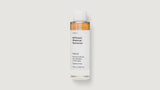
On most mornings, lukewarm water is enough for reactive skin. If you need more, ARNEUX DISSOLVE · BiPhasic Makeup Remover on a cotton pad lifts overnight oil gently. It is made without added fragrance, with chamomile and sea buckthorn. COSMOS certified.
Step 2: A calm moisturizer
ARNEUX REST · Sensitive Skin Overnight Cream is made without fragrance or essential oils, with aloe, jojoba, mango butter, red algae extract, and hyaluronic acid. Although designed for night, a thin layer works well as a daytime base for reactive skin. Certified organic.
Step 3: Mineral SPF
Sun is a common trigger for inflammation and redness. Apply a broad-spectrum mineral sunscreen, SPF 30 or higher, as the last step every morning. Zinc oxide and titanium dioxide are generally better tolerated than chemical filters on reactive skin.
Your Evening Routine
Step 1: Remove sunscreen and makeup
DISSOLVE lifts sunscreen and long-wear makeup without scrubbing. Press the pad onto the skin for a few seconds, wipe gently, then rinse with lukewarm water.
Step 2: Replenish overnight
The barrier does much of its repair during sleep. Apply REST generously. For skin that is dry as well as sensitive, ARNEUX NIGHT · Nourishing Rich Cream is also made without added fragrance, with cocoa butter, shea butter, argan, olive, and sunflower oils. COSMOS certified.
Adding More Once Your Skin Is Calm
When your skin has been comfortable for several weeks, you can add targeted products one at a time. These contain fragrance or alcohol, so patch test first and stop if you notice stinging.
Hydrating serum: ARNEUX SHIELD · Bioactive Prebiotic Barrier Serum pairs Lactobacillus ferment lysate with sodium PCA and hyaluronic acid to support hydration and a balanced skin microbiome. It contains fragrance and alcohol. COSMOS certified.
A gentler retinol alternative: ARNEUX GLOW · Retinol Alternative Serum uses Bidens pilosa extract, a botanical retinol alternative, with sea buckthorn, rosehip oil, and hyaluronic acid. Start two evenings a week. It contains fragrance. COSMOS certified.
The FORTIFY · The Skin Barrier Routine brings SHIELD, REST, and REFRESH together for skin that tolerates light fragrance.
How to Introduce New Products Safely
Patch test first. Apply a small amount to the inner arm or behind the ear for 48 hours before using it on the face.
One new product at a time. Wait at least two weeks between additions so you know what your skin is responding to.
Build gently. Cleanser and moisturizer first, actives last, once the barrier is comfortable.
What to Avoid
Fragrance and essential oils, high amounts of alcohol denat., strong exfoliating acids used too often, abrasive scrubs, hot water, and preservatives known to sensitize, such as methylisothiazolinone. For a deeper look at triggers, see Sensitive Skin Triggers: What to Use and What to Avoid.
The Core Principle
Sensitive skin does not need a ten-step routine. It needs a consistent, short routine built on gentle, independently certified products that support the barrier. Add actives only after the barrier is stable, introduce one product at a time, and patch test everything.
Start with DISSOLVE and REST if you are building from scratch. Discover more in the Sensitive Skin collection, or explore routines on the ARNEUX Routines page.
Frequently Asked Questions
What is the best skincare routine for sensitive skin?
A short routine works best: a gentle cleanser, a soothing moisturizer, and broad-spectrum sunscreen in the morning.
Every extra product is another chance for irritation, so dermatologists commonly advise keeping sensitive-skin routines to a few steps and adding new products one at a time, about two weeks apart. Choose fragrance-free formulas where possible and avoid hot water and rough scrubbing. A barrier-support serum can be added once your skin is calm; SHIELD is a lightweight prebiotic serum designed to support the skin barrier and layer under moisturizer.
What is a good night cream for sensitive skin?
Look for a fragrance-free, essential-oil-free night cream with a comforting texture.
Night is when skin is not dealing with sun or pollution, so a richer cream can help it feel comfortable by morning. REST is an organic moisturizing night cream made without fragrance or essential oils, designed for sensitive, reactive skin; apply it to clean skin in the evening. If your skin is dry as well as sensitive, NIGHT is a richer fragrance-free option with cocoa butter, argan, and shea butter.
How do I remove makeup without irritating sensitive skin?
Use a fragrance-free remover on a soft pad and press, rather than rub, before wiping away.
Repeated rubbing, especially around the eyes, is a common cause of redness. A dual-phase remover lifts waterproof makeup with less friction because the oil phase dissolves it. DISSOLVE is a fragrance-free biphasic remover suitable for sensitive skin: shake to mix, saturate a cotton pad, press gently onto skin, then wipe. For lighter makeup days, BARE micellar water removes makeup in one no-rinse step.
How do I patch test a new skincare product?
Apply a small amount to the same spot, such as behind the ear or on the inner forearm, once or twice daily for several days and watch for a reaction.
Patch testing is the simplest way to catch irritation before it affects your whole face. Use the product exactly as you would normally and check for redness, itching, or bumps. If anything appears, wash it off and stop using it. A clear patch test lowers the risk of a reaction but does not rule it out entirely, so introduce new products one at a time. See a dermatologist if reactions are frequent or severe. Many dermatologists suggest testing for 7 to 10 days, since some reactions take a few days to appear.