You have been using whatever is in the bathroom cabinet and your skin is not where you want it to be. Or you have tried to start a proper routine twice and stopped because the number of options and contradictory advice made it hard to know where to begin. Or you are ready to invest in your skin and want to get it right from the start.
A first routine is simpler than it looks. Here is what you need, why, in what order, and how to build from there.
Start With Three Products
A complete first routine has three steps: cleanse, treat, moisturize, plus sunscreen in the morning. Everything else builds on that foundation.
Cleanser: removes oil, sunscreen, and residue so the rest of your routine can do its job.
Serum: delivers concentrated ingredients for one specific concern, such as hydration, tone, or fine lines.
Moisturizer: seals in water and supports the skin barrier.
Eye care, masks, mists, and exfoliants can come later. Starting with ten products at once makes it impossible to know which one is helping and which one is causing a problem. Begin with three and add one at a time, a few weeks apart.
Why Formulation Matters at the Start
New products introduce ingredients your skin has not met before. The simpler your starting routine, the more clearly you can see how your skin responds.
Read the ingredient list (INCI) on anything you buy. If you know you react to fragrance, essential oils, or alcohol, look for formulas made without them. Independent certification such as COSMOS adds a further check: it sets standards for ingredient origin, processing, and packaging, and is audited by a third party rather than declared by the brand. For more, see What COSMOS Certified Means.
Patch test every new product on a small area of the jaw or inner arm for a few days before using it on your whole face.
Your Morning Routine
Step 1: Cleanse
The morning cleanse removes overnight oil and any residue from your evening products. It can be gentle.
ARNEUX CLEANSE · Radiant Glow Facial Wash is a gel-to-foam cleanser with aloe, blackberry, sage, and burdock. Massage over damp skin for about 30 seconds and rinse with lukewarm water. Skin should feel comfortable afterward, not tight. It contains fragrance. COSMOS certified.
For very sensitive skin, rinsing with cool water in the morning and cleansing only in the evening is a valid approach while your skin adjusts.
Step 2: Serum
Choose one serum for your single most important concern.
If your skin feels tight, flat, or dehydrated: ARNEUX SHIELD · Bioactive Prebiotic Barrier Serum combines Lactobacillus ferment lysate, sodium PCA, and hyaluronic acid to support hydration and a balanced skin microbiome. It contains fragrance and alcohol. COSMOS certified.
If your concern is dullness or uneven tone: ARNEUX AURA · Vitamin C Serum pairs ascorbyl glucoside, a stable vitamin C derivative, with ferulic acid, sea buckthorn, and hyaluronic acid. Vitamin C is an antioxidant, which is why the morning, before sun exposure, is a natural time to use it. It contains fragrance. COSMOS certified.
If your concern is fine lines or texture: ARNEUX GLOW · Retinol Alternative Serum uses Bidens pilosa extract, a botanical retinol alternative, with sea buckthorn, rosehip, and hyaluronic acid. It suits the evening routine (see below). It contains fragrance. COSMOS certified.
Apply serum to slightly damp skin after cleansing and let it absorb before the next step.
Step 3: Moisturize
For oily or combination skin: ARNEUX DEW · Hydrating Gel is oil-free and absorbs quickly, with aloe, zinc PCA, watercress, and hyaluronic acid. It contains fragrance. COSMOS certified.
For normal skin with a matte finish: ARNEUX DAY · Moisturizing Light Cream is a light cream for normal, combination, or oily skin, with argan, bisabolol, and hyaluronic acid. It sits well under sunscreen. It contains fragrance. COSMOS certified.
For dry or sensitive skin: ARNEUX REST · Sensitive Skin Overnight Cream, made without fragrance, can be used morning and evening. Certified organic.
Step 4: Sunscreen
Apply a broad-spectrum SPF 30 or higher every morning as the final step. UV exposure is the largest external driver of visible skin aging and dark spots, and UVA passes through clouds and window glass. Mineral filters (zinc oxide, titanium dioxide) are often better tolerated by sensitive skin.
Your Evening Routine
Step 1: Cleanse
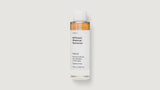
The evening cleanse has more to remove: sunscreen, makeup, and the day's oil. If you wear either, start with a makeup remover such as ARNEUX DISSOLVE · BiPhasic Makeup Remover, then follow with CLEANSE. If you wore neither, CLEANSE alone is enough.
Step 2: Serum
Use the same serum as the morning, or once your skin has adjusted after four to six weeks, add a second. A common pairing is AURA in the morning and GLOW in the evening. Apply 2 to 3 drops of GLOW, avoiding the eye area.
Step 3: Moisturize
The evening moisturizer can be richer. GLOW is designed to be followed by ARNEUX RENEW · Retinol Alternative Moisturizer, which also contains Bidens pilosa extract with sea buckthorn, jojoba, and murumuru butter. For sensitive skin, REST remains the simplest choice. For very dry skin, ARNEUX NIGHT · Nourishing Rich Cream is richer still.
Your First-Week Checklist
Cleanse twice daily. Skipping the evening cleanse leaves sunscreen and oil on the skin overnight.
Apply serum to damp skin. Humectants such as hyaluronic acid work best with water to hold.
Follow serum with moisturizer. Moisturizer slows the water loss that humectants alone cannot prevent.
Wear sunscreen every morning. This is the step that protects the work of every other step.
Introduce one new product at a time. If your skin reacts, you will know which product caused it.
Common Beginner Mistakes
Too many products at once. Three products used well do more than ten used inconsistently.
Switching too soon. Hydration often improves within one to two weeks. Tone and texture usually take four to six weeks, and fine lines longer. Give a product time before judging it.
Skipping moisturizer because skin is oily. Oily skin can still be dehydrated. A lightweight gel adds water without heaviness.
Hot water. It strips the skin's natural lipids. Lukewarm is enough.
Rushing layers. Give each product a moment to absorb so the next one does not pill or slide.
When to Add More
Once your routine has been stable and comfortable for four to six weeks, add one product at a time.
An eye serum is often a useful next step. ARNEUX FOCUS · Retinol Alternative Eye Serum uses Bidens pilosa extract with horse chestnut, borage, and hyaluronic acid in a formula designed for the eye area. It contains fragrance.
Exfoliation comes later. Start once every week or ten days and increase only if your skin stays comfortable.
For what belongs in each part of the day, see Morning vs Evening Skincare. If your skin is reactive before you begin, start with How to Repair Your Skin Barrier. To match a serum to your concern, see How to Choose a Face Serum.
The Most Important Thing
The best routine is the one you keep. A three-step routine used every day for six months does more than a twelve-step routine used occasionally. Start with a cleanser, one serum for your main concern, a moisturizer for your skin type, and sunscreen each morning. Give it six weeks before changing anything.
If you would rather start with a complete set, discover BEGIN · The First Skincare Routine.
Frequently Asked Questions
What is the simplest skincare routine for beginners?
Cleanse, moisturize, and wear sunscreen in the morning; that is a complete starting routine.
Once those habits stick for a few weeks, you can add one treatment serum. BEGIN pairs CLEANSE facial wash, GLOW retinol alternative serum, and DAY moisturizer in one set and saves $27 compared with buying individually. Use CLEANSE on damp skin, then GLOW, then DAY. Wear SPF 30 or higher every morning, even on cloudy days. Use about 1/4 teaspoon of sunscreen.
What order should skincare products go in?
Go from thinnest to thickest: cleanser, serum, moisturizer, then sunscreen in the morning.
Thin products sit closest to skin; creams go on top to reduce water loss. Sunscreen is always the last skincare step in the morning, before makeup. In the evening, skip sunscreen and use a richer cream if you like. A simple routine has 3 or 4 steps. Wait about a minute between layers so each can absorb. If a product pills, use less or wait longer. Apply eye products before moisturizer.
To follow this order with one set, BEGIN pairs CLEANSE facial wash, GLOW retinol alternative serum, and DAY lightweight moisturizer. Use CLEANSE on damp skin, follow with GLOW and let it absorb, then apply DAY as your final skincare layer, with sunscreen on top in the morning. Each product page lists its full ingredients and certification details where applicable.
How much does a beginner skincare routine cost?
A good basic routine needs only three products, so cost depends mainly on which cleanser, moisturizer, and sunscreen you choose.
Buying a set is often cheaper than buying products one by one. BEGIN, which includes a cleanser, serum, and moisturizer, is $125. Add a sunscreen you like wearing every day; consistency matters more than price. Buying a set like BEGIN saves $27. If a product does not suit you, the first-order 30-day promise on the product page allows an exchange or store credit. Start simple and add only what you need.
How long before a new skincare routine works?
Give a new routine at least four to six weeks before judging results.
Skin's outer layer renews over several weeks, so changes in texture or tone take time. Keep the routine the same during that period and take before photos in the same light to compare fairly. During the first two weeks, watch for irritation rather than results. If you see persistent redness, burning, or breakouts, stop the newest product. Keep notes so you know which product caused what. Aim for 4 to 6 weeks.
Keeping the same products for those weeks is easier with one set. BEGIN pairs CLEANSE facial wash, GLOW serum with Bidens pilosa, a botanical retinol alternative, and DAY lightweight moisturizer for cleansing, hydration, and smoother-looking skin. Use CLEANSE on damp skin morning and evening, follow with GLOW and let it absorb, then apply DAY as your final layer. Each product page lists its full ingredients and certification details where applicable; if your skin is reactive, patch test each product first.