How to Choose a Face Serum (And Why It Matters)
You have added a serum to your routine and you are not sure it is doing anything. Or you are standing in front of a shelf of serums with different active ingredients and no clear way to decide. Or you know a serum could help, but the options are overwhelming. This is one of the most common points of confusion in skincare, and it is solvable with a simple framework.
What a Face Serum Actually Does
A serum is a lightweight, concentrated treatment step. Compared with a moisturizer, it is designed to deliver specific active ingredients in a thin texture that layers easily. Serums usually do not provide much barrier protection on their own. That is the job of the moisturizer that follows.
This is why serums are applied after cleansing and before moisturizer. Thin, water-based textures go on first, followed by richer products that seal in hydration.
Choosing a serum is really about choosing the active ingredient your skin needs most. A serum that is not matched to your main concern is not a bad product. It is simply not the right one for you.
Step One: Identify Your Main Concern
Most people have more than one concern. Pick the one you would most like to improve, and choose your first serum around that. You can add a second later.
Fine lines and loss of firmness: retinoids, botanical retinol alternatives, peptides, and antioxidants.
Dullness, uneven tone, dark spots: vitamin C, kojic acid, and niacinamide.
Dehydration: hyaluronic acid, glycerin, and sodium PCA.
Reactivity and a stressed barrier: prebiotic and barrier-supporting ingredients.
Puffiness and the eye area: caffeine, peptides, and eye-specific retinol alternatives.
Breakouts and congestion: salicylic acid, niacinamide, and zinc.
Step Two: Match the Ingredient to Your Concern
For smoother, firmer-looking skin: a botanical retinol alternative
Retinoids are well studied for texture and fine lines, but many people find them drying or irritating. Botanical retinol alternatives offer a gentler route.
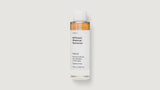
ARNEUX GLOW · Retinol Alternative Serum pairs Bidens pilosa extract, a botanical retinol alternative, with sea buckthorn, rosehip oil, and hyaluronic acid to support smoother, firmer-looking skin. Apply 2 to 3 drops, avoiding the eye area, and follow with RENEW. It is a good first serum for anyone focused on visible aging, especially if retinol has been hard to tolerate. Contains fragrance. COSMOS certified.
For firmness: peptides
Peptides are short chains of amino acids that act as signals, supporting the skin's own structure. They are generally well tolerated.
ARNEUX REVIVE · Peptide Anti-Aging Serum pairs Hexapeptide-11 with dipalmitoyl hydroxyproline, ginkgo, and hyaluronic acid to support the look of firmer, smoother skin. It can be used alone or alongside GLOW, for example on alternate evenings. COSMOS certified.
For brightness: vitamin C
Vitamin C is an antioxidant that helps skin look brighter and more even over time and supports its defenses against UV and pollution stress. It works best in the morning, under sunscreen.
ARNEUX AURA · Vitamin C Serum combines ascorbyl glucoside, a stable form of vitamin C, with ferulic acid, sea buckthorn, rosehip, and hyaluronic acid. Apply in the morning before moisturizer and SPF. Contains natural botanical fragrance. COSMOS certified.
For hydration and barrier support: a prebiotic serum
If your skin feels tight, dehydrated, or easily stressed, a hydrating, barrier-focused serum is a sensible starting point.
ARNEUX SHIELD · Bioactive Prebiotic Barrier Serum pairs Lactobacillus ferment lysate with sodium PCA and hyaluronic acid to support hydration and a balanced skin microbiome. It contains fragrance and alcohol, so patch test first if your skin is very reactive. COSMOS certified.
For puffiness and the eye area
The skin around the eyes is thinner and moves constantly, so it benefits from dedicated formulas.
ARNEUX LIFT · Caffeine Gel Booster is a caffeine gel that helps reduce the look of puffiness. It is a booster rather than a standalone serum: mix 1 to 3 drops into your face or eye moisturizer, morning and evening. For fine lines around the eyes, ARNEUX FOCUS · Retinol Alternative Eye Serum pairs Bidens pilosa extract with horse chestnut and jojoba. Both contain fragrance and are COSMOS certified.
Step Three: Understand Texture and Timing
Watery serums absorb quickly and go on first, on slightly damp skin. AURA and SHIELD fall into this category.
Gel serums are slightly thicker and work well before a light moisturizer. GLOW falls here.
Boosters such as LIFT are mixed into your moisturizer rather than layered on their own.
Oil-based serums go after water-based ones and before cream moisturizers.
The general rule is thinnest to thickest. If you use two serums, apply the one targeting your main concern first.
Do You Need More Than One Serum
Not at first. A common mistake is using several actives at once before knowing how your skin responds. Choose one serum for your main concern and use it consistently for about eight weeks before adding another.
Once your routine is established, two serums is a practical maximum for most people: an antioxidant such as vitamin C in the morning, and a treatment such as a retinol alternative or peptide serum in the evening. For the order to apply them, see How to Layer Skincare Products.
A Serum by Concern
Fine lines and texture: GLOW in the evening.
Firmness: REVIVE, morning or evening.
Dullness and uneven tone: AURA in the morning.
Dehydration and barrier stress: SHIELD, morning or evening.
Puffiness: LIFT, mixed into your moisturizer.
Eye area aging: FOCUS, morning and evening.
Discover the full range in the ARNEUX skin care collection, or build a full routine on the ARNEUX Routines page.
The Simplest Way to Choose
Think about the single thing you most want to change about your skin right now. That answer points to an active ingredient, and the ingredient points to a serum. Start there, use it every day, and give it eight weeks before deciding what to add next.
Frequently Asked Questions
Which face serum should I use first?
Pick one serum for your main concern: vitamin C for dullness and dark spots, a retinol alternative for texture and fine lines, or a barrier serum for dehydration.
Starting with a single serum lets you see what it actually does. AURA is a stabilized vitamin C serum for dark spots, dull tone, and dehydrated skin. GLOW is a retinol alternative serum with Bidens pilosa extract for fine lines and uneven-looking texture. SHIELD is a prebiotic serum for skin that feels dehydrated and needs lightweight barrier support. Use it daily for several weeks before adding another.
Do I apply serum before or after moisturizer?
Before. Serum goes on clean skin, and moisturizer goes on top to seal it in.
Serums are thin, concentrated formulas meant to sit closest to the skin; creams are heavier and help reduce water loss. A simple order is cleanser, serum, moisturizer, then sunscreen in the morning. Give the serum a moment to absorb so the moisturizer spreads evenly rather than pilling. The one exception is very rich facial oils, which most people apply last at night. In the morning, sunscreen is always the final skincare step, about one minute after your moisturizer. Wait 30 to 60 seconds between layers.
If you want a light moisturizer for this step, DEW is a lightweight, oil-free gel moisturizer for oily, combination, and normal skin. Apply it on clean skin after your serum, then SPF or makeup. It is non-comedogenic, 100% natural origin, and COSMOS NATURAL certified by ECOCERT Greenlife. It contains fragrance, so patch test first if your skin is reactive.
Can I use two serums at once?
Yes; apply the thinnest first, or split them between morning and evening.
A common pairing is an antioxidant serum in the morning and a texture-focused serum at night. For example, use AURA in the morning under moisturizer and SPF, and GLOW in the evening followed by RENEW moisturizer. Introduce the second serum a couple of weeks after the first so you can tell which one your skin is responding to. Avoid stacking more than two or three actives in one routine.
Is a peptide serum worth it?
A peptide serum can be a good choice if your focus is fine lines and firmness and you want something gentle enough for twice-daily use.
Peptides are short chains of amino acids used in skincare to support the look of smoother, firmer skin. REVIVE is a hydrating peptide serum with a 2% Hexapeptide-11 peptide complex, hyaluronic acid, and Ginkgo biloba leaf extract, listed as 99% natural origin and COSMOS NATURAL certified. Apply a few drops morning and evening, then moisturizer. Refrigeration is optional for a cooling feel.