The Skin Microbiome and Prebiotic Skincare: What the Science Says
You cleanse carefully, moisturize consistently, and use products made for sensitive skin, yet your skin is still reactive, still flushing, still tighter or oilier than it should be. The routine is gentle. Something is still off.
In many cases, what is off is not a single product. It is the community of microorganisms living on the skin surface, the skin microbiome, and disruption to that community can produce effects that moisturizer alone will not correct.
Microbiome science moved from research journals into mainstream skincare over the past several years, and the vocabulary has outpaced the understanding. Prebiotic, probiotic, and postbiotic appear on labels with varying degrees of scientific support. Here is what the evidence says.
What the Skin Microbiome Is
The skin microbiome is the community of bacteria, fungi, viruses, and other microorganisms living on the skin surface and in the follicles. A healthy adult hosts hundreds of species, and the mix varies across different areas of the body.
These organisms have evolved alongside human skin. They produce antimicrobial compounds that help resist harmful bacteria, influence local immune responses, help maintain the skin's acidic pH, and compete with opportunistic species, including some strains of Cutibacterium acnes and Staphylococcus aureus, for nutrients and space.
When the microbiome is balanced, skin tends to stay calm and the barrier holds. When it is disrupted, the effects can include increased reactivity, eczema-like flares, breakout cycles, rosacea flares, and a general baseline of inflammation.
What Disrupts the Microbiome
Over-cleansing and harsh surfactants. Sodium lauryl sulfate strips the thin water and lipid film in which microbial communities live. High-pH cleansers disrupt the acid mantle, roughly pH 4.5 to 5.5, that most beneficial bacteria prefer.
High levels of drying alcohol. Leave-on products heavy in drying alcohol can reduce surface diversity and leave room for less balanced recolonization.
Antibiotics and high-strength benzoyl peroxide. Effective against C. acnes, but they suppress the microbiome broadly rather than targeting specific species.
Repeated irritation. Anything that repeatedly inflames the skin, from harsh formulas to heavy fragrance, changes the surface environment microbes depend on.
Excessive exfoliation. Daily exfoliation prevents the microbiome from stabilizing.
Prebiotics, Probiotics, and Postbiotics
Prebiotics are substrates, usually sugars or plant-derived polysaccharides, that selectively nourish beneficial bacteria already on the skin. They do not introduce new organisms. They create favorable conditions for the ones that belong there.
Probiotics in skincare refer to bacterial cultures intended to supplement the skin's population. Keeping live bacteria stable in a topical formula is difficult, so most products in this category use inactivated or lysed bacterial material rather than live cultures.
Postbiotics are the byproducts and fragments of beneficial bacteria, such as ferment lysates, filtrates, and metabolites. Research suggests these can support barrier function and calm inflammation without requiring live organisms.
The most practical approach today: support what is already there, reduce what disrupts it, and keep skin hydrated so the surface environment stays stable.
What This Means for Your Routine
The most effective changes are often subtractive. Removing the habits and harsh ingredients that disrupt microbial diversity does more for microbiome health than adding a prebiotic product to a routine that still strips the skin twice a day.
ARNEUX SHIELD · Bioactive Prebiotic Barrier Serum applies after cleansing on slightly damp skin. It is built on Lactobacillus ferment lysate, a bacteria-derived ingredient studied for supporting the skin's microbial balance, with sodium PCA and two weights of hyaluronic acid for hydration. Use it morning and evening for cumulative benefit. COSMOS certified.
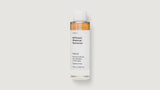
ARNEUX REFRESH · Prebiotics Face Mist carries the same ferment lysate approach into a fine mist, with betaine, sodium PCA, and hyaluronic acid. Use it mid-day to rehydrate skin between cleansing steps, including over makeup. COSMOS certified.
Both formulas contain a small amount of plant-derived alcohol and a light natural fragrance. Most skin tolerates them well, but if your skin is very reactive, patch test first.
Together, SHIELD and REFRESH give skin consistent hydration and microbiome-friendly support from morning to evening, a stable environment in which its own microbial community can settle and do its work.
For how this connects to a sensitive skin routine, see How to Build a Skincare Routine for Sensitive Skin. For the link between the microbiome and blemishes, see How to Treat Blemishes Naturally, and for barrier repair, see How to Repair Your Skin Barrier.
Frequently Asked Questions
What does prebiotic skincare do?
Prebiotic skincare contains ingredients intended to support the skin's natural microbiome, the community of microbes living on the skin.
A balanced microbiome is linked with a healthy skin barrier, and disruptions are associated with dryness and sensitivity in research. Prebiotics are not live bacteria; they are ingredients designed to support the beneficial microbes already present. SHIELD is a prebiotic serum that supports the skin microbiome and strengthens the natural skin barrier, with a gel-to-liquid texture that absorbs instantly. Use it morning and evening before moisturizer.
What is the difference between prebiotics, probiotics, and postbiotics?
Prebiotics feed beneficial microbes, probiotics are live microbes, and postbiotics are substances made by microbes, such as ferment lysates.
Most skincare does not use live probiotics, because keeping bacteria alive in a cream is difficult. Instead, products often use prebiotics or lysates. ARNEUX's SHIELD is described as a ferment lysate serum for skin barrier support. The research on all three is still developing, so look for gentle, well-formulated products rather than bold claims. Give any new product 4 to 6 weeks.
Is there a prebiotic face mist?
Yes; a prebiotic mist is an easy way to add hydration and microbiome support during the day.
REFRESH is a weightless face mist with prebiotics for microbiome balance, plus hyaluronic acid and Sodium PCA for hydration. It is 99% natural origin and COSMOS NATURAL certified. Mist onto your face with eyes closed, before or after moisturizer, or over makeup to refresh. FORTIFY combines SHIELD, REST, and REFRESH in one barrier routine.
Who should use prebiotic skincare?
Prebiotic products suit most skin types and are especially popular with people whose skin feels dry, tight, or easily irritated.
Because they are gentle, prebiotics are easy to add to an existing routine. Introduce one product at a time and give it 4 to 6 weeks. If you have a skin condition such as eczema or rosacea, ask a dermatologist how prebiotic products fit with your treatment. Keep the rest of your routine gentle and fragrance-light during the trial. Patch test first.
For dehydrated skin that needs a lightweight first step, SHIELD is a prebiotic barrier serum with a gel-to-liquid texture that absorbs instantly, supports the skin microbiome, and strengthens the natural skin barrier. It is 99% natural origin and COSMOS NATURAL certified. Apply to clean skin morning and evening before moisturizer.