Micellar Water: What It Is, How It Works, and When to Use It
You splash water on your face and it runs right off. Oil and water do not mix, which is why rinsing alone cannot remove sunscreen, foundation, or the sebum that accumulates on skin throughout the day. Surfactant-based cleansers solve this problem by suspending oils in water so they can be rinsed away, but the wrong formula can strip the skin barrier along with everything else.
Micellar water approaches the same problem differently. It uses mild surfactant molecules arranged in a way that lifts impurities without vigorous rubbing or hot water. It was a staple of French pharmacy skincare for decades before the rest of the world caught up.
Here is how it works, and where it belongs in a modern skincare routine.
What Is Micellar Water?
Micellar water is a cleansing solution in which surfactant molecules have self-assembled into spherical structures called micelles. A micelle (from the Latin micella, meaning small particle) is a cluster of surfactant molecules arranged with their water-compatible ends facing outward and their oil-compatible ends facing inward, forming a kind of spherical transport vessel.
The base is predominantly water, which is why micellar water looks and feels like water on a cotton pad. The cleansing work is done by the surfactants suspended within it. These are typically mild surfactants selected for low irritation potential, which is what gives micellar water its reputation for suiting sensitive skin.
Unlike a traditional foaming cleanser, micellar water does not need to be worked into a lather. You apply it, it works on contact, and you do not need to rinse it off, though rinsing is an option and sometimes preferable, as covered below.
How Micelles Actually Work
The cleansing mechanism depends on the amphiphilic nature of the surfactant molecules. Amphiphilic means each molecule has two chemically distinct ends: one hydrophilic (attracted to water) and one lipophilic (attracted to oil and fats).
In water, these molecules spontaneously organize into micelles once they reach a concentration threshold called the critical micelle concentration. The lipophilic tails cluster inward, away from water, and the hydrophilic heads face outward.
When the solution contacts an oily surface, the lipophilic cores are drawn to the oil and surround it, while the water-attracting outer shell keeps the whole structure suspended in the liquid. Dirt, sebum, makeup, and other lipid-based impurities are lifted from the skin surface and held within the micelles until you wipe them away.
The mechanical action required is minimal. A cotton pad dampened with micellar water, pressed gently against the skin for a few seconds and then wiped, does the work. This is why micellar water suits the eye area, where rubbing stresses delicate skin and lashes.
What Micellar Water Removes (and What It Does Not)
Standard micellar water removes everyday makeup, light to medium coverage foundation, mascara that is not waterproof, everyday sunscreen, sebum, and general surface impurities. For most people on most days, a micellar step provides a thorough cleanse.
It handles some formulas less effectively: high-coverage or long-wear foundation, waterproof mascara and eyeliner, thick mineral sunscreens, and silicone-based primers. These are better lifted by a biphasic or oil-based first step before a micellar or water-based second cleanse.
Knowing this distinction helps you use micellar water in the right context rather than expecting it to remove everything regardless of what you applied that morning.
Where Micellar Water Fits in a Skincare Routine
As a morning cleanse: Most skin does not need a full foaming cleanse in the morning. Overnight, skin produces sebum but has not been exposed to pollution, sunscreen, or makeup. A gentle micellar step removes overnight oil and residual product without over-cleansing skin that is already relatively clean.
As an evening cleanse on lighter days: When makeup is light and sunscreen is a standard formula, micellar water alone is enough for many skin types. Apply to a cotton pad, press and hold against each area of the face for a few seconds, then wipe in light strokes toward the outer edge of the face. Use a second pad for the eyes, working from the inner corner outward.
As part of a double cleanse: When makeup is heavier or waterproof, or when SPF has been reapplied through the day, use a biphasic makeup remover first, then follow with micellar water or a gentle gel cleanser. The first step lifts the heavy formulas, and the second removes residue.
As a travel or gym cleanse: Micellar water needs no sink and no rinsing, which makes it practical when a full routine is not possible.
Rinsing: You do not need to rinse. If you prefer the feeling of fully rinsed skin, or your skin is reactive, a splash of lukewarm water afterward is fine and does not reduce the cleanse.
Micellar Water vs Double Cleansing
Double cleansing, popularized by Korean skincare, uses an oil-based or biphasic first cleanse to break down oil-soluble impurities and a water-based second cleanse to remove what remains. It became standard practice for people who wear heavy makeup, high-wear SPF, or both.
Micellar water occupies a different position. It is an excellent standalone option for lighter days and a gentle second step in a double cleanse. It is not designed to replace an oil-based first step when skin carries waterproof or silicone-based formulas.
For heavier-wear days, ARNEUX DISSOLVE · BiPhasic Makeup Remover works as the first step. Its oil phase dissolves waterproof mascara and long-wear foundation, while its water phase leaves skin feeling fresh. Shake before use to combine the phases, apply on a cotton pad, hold against the eye for 5 to 10 seconds, and wipe. BARE follows as the second step to remove any remaining residue.
What to Look For in a Micellar Formula
Mild surfactants. Gentle, low-irritation surfactants cleanse effectively with minimal barrier disruption. Strong surfactants such as sodium lauryl sulfate are too stripping for a product that stays on the skin.
Soothing botanicals. Because micellar water is often left on, calming ingredients such as aloe and chamomile add comfort rather than just cleansing.
Independent certification. A COSMOS certified micellar water has been reviewed against a standard that restricts synthetic fragrance, parabens, PEGs, and petrochemical-derived ingredients, and that requires natural-origin, responsibly processed raw materials. It saves you from evaluating each ingredient individually.
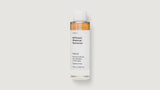
ARNEUX BARE · Micellar Cleansing Water is a certified organic micellar water for daily use on face, eyes, and lips, with aloe, chamomile, linden, and hyaluronic acid. It contains a light fragrance, so patch test first if fragrance is a known trigger for you. Use it as a standalone morning cleanse, a light-day evening cleanse, or the second step in a double cleanse. Apply to a cotton pad and wipe without rinsing.
The Cleansing Routine at a Glance
Morning: BARE on a cotton pad, full face including the eye area. No rinse needed. Continue with serum and moisturizer.
Evening, light day: BARE on a cotton pad, press and hold for a few seconds on each area, then wipe. Follow with the rest of your evening routine.
Evening, heavier makeup or waterproof SPF: DISSOLVE as the first step, BARE as the second. Continue with serum and moisturizer.
The REMOVE routine brings DISSOLVE, BARE, and CLEANSE together. For how cleansing affects barrier health over time, see How to Repair Your Skin Barrier. For a complete daily structure from first cleanse to last step, see the Beginner's Guide to Skincare.
Frequently Asked Questions
Do I need to rinse off micellar water?
Many micellar waters are made as no-rinse cleansers, so rinsing is optional.
Micellar water contains micelles, tiny clusters of cleansing molecules that attract oil and makeup. BARE is a no-rinse organic micellar water with aloe juice, hyaluronic acid, chamomile, and linden flower extracts. Saturate a cotton pad, wipe across your face, eyes, and lips, and repeat with a fresh pad until it comes away clean. If you wear heavy sunscreen or makeup, follow with a face wash.
Can micellar water remove waterproof mascara?
Micellar water handles light makeup well, but waterproof formulas usually need an oil-based or biphasic remover.
Waterproof makeup is designed to resist water, so an oil phase helps dissolve it. DISSOLVE is a fragrance-free biphasic remover that dissolves waterproof and long-wear makeup. Shake to mix, press a soaked pad over the eyes for a few seconds, and wipe. REMOVE combines DISSOLVE, BARE, and CLEANSE in one set. Do not rub the lashes. Follow with a gentle wash.
Is micellar water enough to clean my face?
On light-makeup or no-makeup days, micellar water can be enough; after heavy makeup or sunscreen, follow with a cleanser.
Double cleansing removes residue that a single step may miss. A typical evening is BARE or DISSOLVE first, then CLEANSE gel-to-foam wash. In the morning, micellar water alone is often enough. BARE is 99% natural origin and COSMOS ORGANIC certified. On mornings without makeup, a single sweep with BARE is usually enough before serum and SPF. In the evening, cleanse twice if you wore SPF 30 or makeup for many hours.
Is micellar water good for sensitive skin?
Many people with sensitive skin like micellar water because it cleans without rubbing or hot water.
Choose a gentle formula and press the pad rather than scrubbing. BARE contains chamomile and linden flower extracts. For waterproof makeup, DISSOLVE is fragrance-free and suitable for sensitive skin. Patch test new removers first, especially around the eyes. Use 2 to 3 cotton pads per cleanse rather than one heavily rubbed pad. Avoid rubbing. Rinse with lukewarm water if you prefer, then moisturize.