If you have tried an aluminum-free deodorant and returned to antiperspirant within a week, the formula may not have matched what you expected it to do. Deodorant and antiperspirant can both help with underarm odor, but they are not interchangeable.
Antiperspirant is designed to reduce perspiration. Deodorant is designed to manage odor while allowing normal sweating. Understanding that difference makes it easier to choose a product, set realistic expectations, and avoid the unsupported idea that the body must “detox” when you make a change.
How Antiperspirant Works
Over-the-counter antiperspirants use permitted aluminum-based active ingredients, such as aluminum chlorohydrate or aluminum-zirconium complexes. In the presence of moisture, these ingredients form temporary plugs in the upper portion of the sweat duct. Less perspiration reaches the skin surface, so the underarm feels drier.
In the United States, antiperspirants are regulated as over-the-counter drugs because they affect perspiration. The FDA's current antiperspirant monograph identifies the active ingredients, permitted concentrations, testing, and labeling requirements for products sold without a prescription. A cosmetic deodorant does not make the same sweat-reduction claim.
Perspiration itself is not the main source of underarm odor. Odor develops when microorganisms on the skin transform components of sweat and sebum into volatile compounds. Reducing sweat can reduce the material available for that process, but it is not the only way to manage odor.
Why Some People Choose Aluminum-Free Deodorant
Some people prefer to perspire normally and only address odor. Others dislike the feel or residue of an antiperspirant, or find that a particular product stings after shaving. Those are reasonable personal and skin-comfort preferences.
Choosing aluminum-free deodorant can simply be a matter of preference. Current regulatory safety assessments do not identify approved aluminum antiperspirants as inherently unsafe when used within established limits. In its 2024 opinion, the European Commission's Scientific Committee on Consumer Safety concluded that specified aluminum compounds are safe in the evaluated cosmetic uses and concentrations. Individual tolerance still varies, and an aluminum-free formula remains a valid choice for anyone who prefers normal perspiration with odor care.
How Aluminum-Free Deodorant Works
Aluminum-free deodorant does not stop the sweat glands from producing perspiration. Instead, a formula may use one or more strategies to make odor less noticeable:
- Influencing odor formation. Some cosmetic ingredients can interfere with the conditions or enzymatic processes that contribute to malodor.
- Managing microorganisms. Certain ingredients can affect the growth or activity of underarm microbes. The effect depends on the ingredient, concentration, vehicle, and how the product is used.
- Absorbing moisture. Powders and starches can take up some surface moisture, although they do not turn a deodorant into an antiperspirant.
- Adding fragrance. Scent can help mask odor but may not suit fragrance-sensitive skin. Essential oils are fragrance ingredients too and can cause sensitivity in some people.
Research confirms that deodorant and antiperspirant use can change the abundance and composition of cultured underarm microorganisms. The underarm microbiome varies between people, and product effects can change when use stops or starts. Think of microbiome research as useful background rather than a guarantee that one formula will permanently “balance” the skin.
What about triethyl citrate?
Triethyl citrate is a cosmetic ingredient used in deodorant formulas to help control odor. It is often described as interfering with enzymatic steps involved in the formation of odorous compounds. As with any deodorizing ingredient, the complete formula, application amount, activity level, and individual skin all influence how long the fresh feeling lasts.
What about shikimic acid?
Shikimic acid is a plant-associated compound used in some deodorant formulas, including as part of an odor-care system. If you are sensitive to botanical or fragrance ingredients, review the full INCI and patch test the complete formula before regular use.
There Is No Required “Detox” Period
Stopping an antiperspirant does not release stored toxins, and the sweat glands do not need weeks to remember how to work. The temporary plugs formed by antiperspirant are shed through normal skin renewal and washing. A change can still feel noticeable because perspiration is no longer being reduced, a familiar residual product is absent, or the new deodorant needs a different application routine.
You may notice more wetness immediately because deodorant permits normal sweating. Odor can also vary from day to day with exercise, stress, clothing, temperature, diet, hormones, washing, and the formula itself. Those changes are not evidence of “purging.”
Give a new product enough ordinary use to judge comfort and odor control, but do not feel obligated to endure a fixed one-to-four-week transition. If odor control is not sufficient, reapply according to the label, try a different formula, or use antiperspirant when wetness control is the priority. The right product is the one that works for your needs without persistent irritation.
What to Look for in a Formula
A clear product category
Look for labeling that clearly distinguishes odor care from sweat reduction. An aluminum-free deodorant is intended to manage odor while normal perspiration continues, so it will feel different from an antiperspirant.
A complete INCI list
Review the complete ingredient list rather than relying on a short marketing claim. Deodorizing ingredients, absorbent powders, alcohol, fragrance, essential oils, preservation, and the base all affect how a product feels and performs.
Skin-comfort ingredients
Humectants and emollients can make daily use more comfortable. Aloe vera and panthenol are often included for hydration and skin conditioning, but their presence does not make a formula allergy-proof or guarantee that it will repair irritation.
Fragrance and shaving considerations
Freshly shaved skin is more vulnerable to stinging. If your underarms are reactive, wait until the skin feels calm before applying deodorant and patch test a new formula. People with a known fragrance allergy may do better with a formula made without fragrance, and “natural fragrance” or essential oils are still fragrance.
Certification, explained precisely
COSMOS certification evaluates requirements involving ingredient origin, permitted processing, manufacturing, packaging, labeling, and product control. COSMOS NATURAL and COSMOS ORGANIC are distinct signatures. Check the exact certification and the natural- and organic-origin percentages shown for the individual product. Certification is useful third-party context, but it does not promise zero irritation, a particular number of odor-free hours, or antiperspirant performance.
Sensitive Underarms
Underarm irritation can come from friction, shaving, fragrance, essential oils, alcohol, baking soda, preservatives, or an individual allergy. It is too broad to say that conventional deodorant has one universal irritant, or that every aluminum-free formula is gentler.
If a product repeatedly causes burning, itching, peeling, rash, or swelling, stop using it. A cool water rinse and a simple moisturizer made without fragrance may be more comfortable while the area settles. Persistent, spreading, painful, or weeping irritation should be evaluated by a healthcare professional.
The ARNEUX Approach
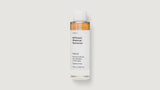
ARNEUX CLEAN · Natural Deodorant is an aluminum-free roll-on with triethyl citrate, shikimic acid, aloe vera, macadamia oil, and panthenol, with notes of eucalyptus and juniper. It is designed to manage odor without claiming to stop perspiration. It contains fragrance and essential oils, including lavender, eucalyptus, and rosemary, so patch test first if your skin is fragrance-sensitive. Review its product page for the full INCI.
Apply two to three swipes to clean, dry underarms after showering and allow a moment to dry before dressing. Reapply as needed through the day. Avoid broken or freshly irritated skin and stop use if discomfort persists.
For a broader body-care sequence, see the Skin, Hair & Body Routines page. For a plain-language explanation of the two COSMOS tiers, visit COSMOS Certification.
Sources
- FDA OTC Monograph M019: Antiperspirant Drug Products
- European Commission SCCS Opinion on the Safety of Aluminium in Cosmetic Products
- The Effect of Antiperspirant and Deodorant Use on the Armpit Microbiome
- Iron Sequestration on Skin: A Route to Improved Deodorancy
- COSMOS Standard, Version 4.2
Frequently Asked Questions
What is the difference between deodorant and antiperspirant?
Deodorant targets odor, while antiperspirant uses aluminum compounds to reduce sweat.
Sweat itself is mostly odorless; odor comes from bacteria breaking down sweat. Aluminum-free deodorants let you sweat normally while addressing odor. Many people switch for personal preference. CLEAN is an aluminum-free roll-on deodorant with natural deodorizing actives, aloe vera, and panthenol, and notes of eucalyptus, juniper, and macadamia. It costs $32 for 50 ml. Apply to clean, dry skin. Reapply as needed.
How do I switch to aluminum-free deodorant?
Expect a short adjustment period, apply to clean, dry skin, and reapply as needed.
When you stop antiperspirant, you sweat more freely, which can feel different for a week or two. Apply CLEAN with 2 to 3 swipes to clean, dry underarms after showering, let it dry before dressing, and reapply during the day as needed. Breathable fabrics like cotton help. If you notice irritation, stop use and let the skin settle. Give it 2 weeks.
Is aluminum-free deodorant good for sensitive skin?
Many people with sensitive skin prefer aluminum-free formulas, but fragrance and other ingredients can still irritate.
CLEAN includes aloe vera and panthenol, which soothe sensitive skin, according to its product page. It does contain fragrance notes, so patch test on a small area for a few days first. Avoid applying right after shaving, when skin is more reactive. If irritation persists, stop use and see a dermatologist. Wait at least 24 hours after shaving if you react easily, and choose loose cotton clothing.
Why does natural deodorant stop working?
Common reasons are applying too little, applying to damp skin, or needing to reapply on active days.
Deodorants work on the skin surface, so a clean, dry base helps. Apply 2 to 3 swipes and let it dry. On workout days, wash and reapply afterward. Washing underarms with a body wash each day also reduces odor-causing bacteria. If odor changes suddenly and strongly, mention it to a doctor. Store it capped at room temperature.
For daily freshness, CLEAN is designed for exactly this routine: apply 2 to 3 swipes to clean, dry underarms after showering and allow a moment to dry before dressing. Its deodorizing actives, triethyl citrate and shikimic acid, are formulated without aluminum. On high-activity days, reapply after exercise; the roll-on format makes touch-ups easy.