Your First Organic Baby Skincare Routine
You are reading ingredient labels on baby wash late at night because you are not sure what half of them mean, and the words gentle and natural on the front of the bottle no longer feel like enough. Or you have already tried products that left your newborn's skin dry, and you want to get it right. Newborn skin is not simply small adult skin. It behaves differently, and the products you choose in the first months deserve care.
Here is what to know, and how to build a simple, gentle routine.
Why Newborn Skin Is Different
A newborn's skin is thinner than adult skin and has a higher surface area relative to body weight. Its barrier is still maturing through the first years of life, so it loses moisture more easily and can react more readily to irritants.
The skin microbiome is also developing in the early months. Gentle, minimal care supports the skin while these systems mature. This is why fewer products, used lightly, are usually best for babies.
What Certified Organic Means for Baby Products
The ARNEUX baby range is certified COSMOS Organic by ECOCERT. COSMOS Organic is the organic tier of the COSMOS standard. It requires that at least 95% of the physically processed agricultural ingredients are organic and sets minimum organic content for the whole formula. The standard restricts synthetic fragrance, parabens, PEGs, silicones, and petrochemical-derived ingredients, and certified products are independently audited.
Certification is a meaningful assurance about how a product is made, but it does not mean a product will suit every baby. Always check the ingredient list, introduce products one at a time, and ask your pediatrician if you have concerns.
The First Bath: What You Actually Need
A newborn's first routine needs three things: a wash, a shampoo, and a lotion. Everything else is optional.
Wash
Use a mild wash sparingly. A small amount on your palm or a soft cloth is enough for the diaper area, folds, and hands, and plain water suits most of the body.
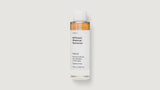
ARNEUX DELICATE · Gentle Baby Wash cleanses with aloe, chamomile, and linseed. It contains a light fragrance. Certified organic.
For parents who prefer a foam, ARNEUX CLOUD · Foaming Baby Wash delivers a pre-foamed wash from a pump, which makes it easy to control how much you use. Certified organic.
Shampoo
A newborn's scalp produces little oil and needs washing only occasionally in the first weeks. When you do wash, use very little and keep it away from the eyes.
ARNEUX SOFT · Gentle Baby Shampoo is a mild shampoo for delicate hair and scalp. Apply a small amount to a wet palm, work gently through the hair, and rinse with water cupped away from the eyes. It contains a light fragrance. Certified organic.
Lotion
After the bath, pat your baby dry with a soft towel, then moisturize.
ARNEUX CARE · Baby Body Lotion combines aloe, chamomile, and linseed with shea butter, cocoa butter, and cloudberry. Smooth a thin layer over clean, dry skin with gentle strokes, using a little more on dry patches. It contains a light fragrance. Certified organic.
Bath Frequency and Water Temperature
The American Academy of Pediatrics notes that newborns do not need a bath every day. Two or three times a week is enough in the first months. Between baths, a warm, damp cloth for the face, neck folds, hands, and diaper area is all that is needed. Over-bathing can dry the skin.
Use warm, not hot, water, roughly 37 to 38 degrees Celsius (98 to 100 degrees Fahrenheit), and test it with your elbow or wrist. Keep baths short, about five to ten minutes. Never leave a baby unattended in the bath, even for a moment.
What to Look Out For in Baby Products
Fragrance: Fragrance is a common cause of skin reactions. If your baby has sensitive or eczema-prone skin, ask your pediatrician whether to choose unscented products.
Strong surfactants and heavy lather: A rich lather is not needed for babies. Use cleansers sparingly and rinse well.
Essential oils: Even natural essential oils can irritate very young skin.
Too many products: A wash, a shampoo, and a lotion are enough. Introduce one new product at a time.
The Complete First Routine
Bath nights, two or three times a week: wet the body with warm water, wash with a small amount of DELICATE or CLOUD and rinse, wash the hair with a little SOFT and rinse carefully, pat dry with a soft towel, then apply CARE to clean, dry skin. Pay extra attention to the cheeks, behind the knees, and any dry areas.
Other nights: a warm, damp cloth for the face, neck folds, hands, and diaper area is all that is needed.
All four products come together in ARNEUX LITTLE · The Baby Collection. Discover the full baby collection.
A Note on Eczema-Prone and Very Dry Skin
Eczema is common in infancy. If your baby has persistent dryness, redness, or itching, see your pediatrician or a pediatric dermatologist before trying new products. Gentle skincare supports, but does not replace, a medical plan, and your doctor may recommend specific moisturizers or treatments.
The Simple Principle
The first months of life are when a baby's skin is most delicate. Keep the routine short, use products sparingly, choose independently certified formulas, and introduce one new product at a time. When in doubt, ask your pediatrician.
Frequently Asked Questions
What do I need for a newborn bath routine?
Keep it simple: a gentle baby wash, a mild shampoo once hair needs it, and a fragrance-light lotion for dry patches.
Newborn skin is thinner than adult skin and loses moisture more easily, so fewer, gentler products are the usual advice. DELICATE is an organic baby body wash for newborns and up, dermatologically tested and allergen label free. CARE is an organic baby body lotion that absorbs quickly after bath time. LITTLE brings DELICATE, CLOUD, SOFT, and CARE together in one four-piece set.
How often should I bathe a newborn?
Many pediatric organizations suggest two or three baths a week for newborns, with gentle cleaning of the face, neck, and diaper area in between.
The American Academy of Pediatrics notes that daily baths are not necessary in the first year and that frequent bathing can dry skin. Keep baths short and lukewarm, pat skin dry, and moisturize while it is still slightly damp. Always follow your own pediatrician's advice, especially for umbilical cord care or skin conditions. A bath of 5 to 10 minutes in water around 37 to 38°C (about 100°F) is a common guideline; test it with your wrist or elbow.
What is a gentle baby shampoo for fine hair?
Choose a mild shampoo made for babies' fine hair and sensitive scalps, and use only a small amount.
SOFT is an organic baby shampoo for newborns and up, designed for fine baby hair that tangles easily and suitable from birth. Apply a small amount to wet hair, lather gently, and rinse thoroughly, avoiding contact with the eyes. Babies with little hair can often be washed with the body wash alone in the early weeks. Keep one hand behind the head and rinse from front to back.
Is organic baby skincare better?
Organic certification tells you how ingredients were grown and processed, which many parents value, but gentleness depends on the whole formula.
When comparing baby products, look for a recognized certification such as COSMOS ORGANIC, a short ingredient list, and labeling for use from birth. The ARNEUX baby range, including CLOUD, a pump-foam wash that needs no rubbing, is COSMOS ORGANIC certified by ECOCERT. If your baby has eczema or very dry skin, ask your pediatrician which products to use. Introduce one new product at a time.