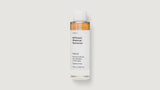
Every few years, an ingredient moves from niche to everywhere, and rosemary oil has had that moment in hair care. The question that follows any trend is the same: does it actually work, or is the enthusiasm mostly marketing? In the case of rosemary oil, there is published human research, but it is narrower than many headlines suggest. Understanding what was studied, and what was not, helps set useful expectations for a botanical scalp oil.
Rosemary oil can be part of a thoughtful scalp and hair routine. The balanced expectation is conditioning care for the scalp and lengths, with human research that is interesting but not broad enough to predict the same result from every rosemary formula.
What the Clinical Study Found
The most frequently cited human study was published in 2015 in SKINmed. The randomized, active-comparator trial followed 100 people with androgenetic alopecia for six months. Participants used either a rosemary-oil lotion or 2% minoxidil, and investigators assessed hair counts at baseline, three months, and six months.
Neither group showed a significant change in hair count at three months. At six months, hair counts had increased from baseline in both groups, and the study reported no statistically significant difference between the groups at that time point. Scalp itching was reported more often in the minoxidil group.
That finding is interesting, but it does not prove that rosemary oil is equivalent to minoxidil. The study was not designed as an equivalence or noninferiority trial, did not include a placebo group, and tested one study preparation under a specific protocol. One trial also cannot answer every question about concentration, vehicle, long-term results, or different causes of shedding.
The trial used a specific study lotion rather than ROOT. Rosemary concentration, carrier oils, application amount, contact time, and frequency can all change how a formula behaves on the scalp and hair, so the study is useful context rather than a direct test of the ARNEUX formula.
How Rosemary Is Studied
Rosemary contains aromatic and phenolic compounds that have been examined in laboratory and preclinical research. Some studies discuss antioxidant or anti-inflammatory activity, and a mouse study of rosemary leaf extract explored a possible relationship with androgen signaling. These findings can help researchers develop hypotheses, but they are not the same as clinical evidence that a rosemary essential-oil product changes human hair growth.
Circulation is also commonly used to explain rosemary oil. Gentle scalp massage may temporarily increase local blood flow, and a small study of nine men found a change in hair thickness after a standardized daily massage protocol. That study was small and did not show that massage treats a hair-loss condition. Massage can still be a pleasant way to distribute a scalp oil, provided it is gentle and does not pull or scratch the hair and scalp.
The practical conclusion is measured: there is enough evidence to explain why rosemary continues to interest researchers and consumers, while important questions remain. Laboratory findings about androgen signaling or follicles are not proof of a visible result from a cosmetic rosemary oil.
What Rosemary Oil Cannot Tell You About Hair Loss
Hair shedding and thinning can have many causes, including genetics, hormonal changes, recent illness, nutritional deficiencies, medication effects, tension on the hair, scalp conditions, and normal changes after pregnancy or a stressful event. A cosmetic oil cannot identify the cause.
Sudden, patchy, painful, or otherwise unexplained hair loss deserves assessment by a dermatologist or another qualified healthcare professional. The same is true when shedding persists, the scalp becomes inflamed, or hair loss is accompanied by other symptoms. Starting a botanical oil should not delay that evaluation or replace a treatment recommended by a clinician.
ROOT is designed as a cosmetic scalp and hair oil. Its role is to condition, soften, and support a comfortable care ritual. If your goal is to diagnose or treat hair loss, a dermatologist can help identify the cause and discuss the options suited to it.
How to Use ROOT in a Scalp and Hair Routine
ROOT · Rosemary Hair Oil is a botanical oil blend containing rosemary leaf oil alongside sunflower, castor, sweet almond, argan, and other conditioning oils. These oils help soften dry- or brittle-feeling hair and make the formula easy to spread through the scalp and lengths. It contains fragrance from natural essential oils. Certified organic.
Apply ROOT to wet hair and scalp, massage gently, leave it on for 5 to 15 minutes, and rinse thoroughly. Use it one to three times weekly according to your hair and scalp needs. Applying more product, leaving it on longer, or using it more frequently has not been shown to improve cosmetic results and may make fine hair feel heavy.
Sectioning the hair can make application more controlled. Place a small amount where needed, distribute it with fingertips rather than nails, and avoid aggressive rubbing. If your goal is softness through dry lengths, smooth the remaining oil lightly through the mid-lengths and ends before rinsing.
Patch test first if you have a reactive scalp or a history of sensitivity to essential oils, fragrance components, or botanical extracts. Stop use if burning, persistent itching, swelling, or a rash develops. Do not apply the oil to broken or markedly irritated skin.
Rosemary Oil in a Complete Hair Routine
ROOT can be part of a straightforward wash-day routine. After the 5 to 15 minute contact period, rinse and cleanse with the shampoo that suits your scalp and hair. Follow with conditioner through the lengths where needed.
Within the ARNEUX hair collection, WASH · Keratin Volume Boost Shampoo is the cleansing step, while SMOOTH · Keratin Volume Boost Conditioner conditions the hair after washing. Together, they support the feel and manageability of the hair while ROOT serves as the oil step.
Consistency in technique matters more than turning the routine into a daily test. Use the products according to their labels, notice how your scalp and lengths respond, and adjust the amount within those directions. Hair texture, density, porosity, wash frequency, and styling habits all affect how an oil feels.
The Measured Assessment
Rosemary oil does have research behind it: one commonly cited comparative human trial reported increased hair counts from baseline in both study groups after six months. That does not make every rosemary formula equivalent to minoxidil. The study design and differences between formulas prevent that conclusion.
The most useful reason to choose ROOT is as a conditioning botanical oil for a measured scalp and hair ritual. Use it as directed, keep expectations cosmetic, and seek professional guidance when hair loss is sudden, significant, or unexplained.
Sources and Further Reading
- Panahi et al., rosemary oil and 2% minoxidil active-comparator trial
- Review discussing evidence and study-design limits for natural approaches to androgenetic alopecia
- Preclinical rosemary leaf-extract study
- Small study of standardized scalp massage and hair thickness
- FDA guidance on cosmetic and drug intended use
Frequently Asked Questions
Does rosemary oil help hair growth?
Rosemary oil is popular for scalp care, and one small 2015 study compared it with minoxidil, but the evidence is limited.
A 2015 study in SKINmed compared rosemary oil with 2% minoxidil over six months in people with androgenetic alopecia and found similar results, but it was small and has not been widely replicated. Rosemary oil is best seen as part of a healthy scalp routine. See a doctor about sudden or patchy hair loss. ROOT is an organic rinse-off rosemary hair oil that conditions the scalp and ends.
How do I use rosemary oil on my scalp?
Massage a small amount into the scalp, leave it on, then wash it out, a few times a week.
ROOT is applied to wet hair and scalp, massaged gently, left for 5 to 15 minutes, then rinsed thoroughly, 1 to 3 times per week. Scalp massage also helps distribute the oil. Follow with WASH shampoo and SMOOTH conditioner if your hair feels oily afterward. Massaging for 2 to 4 minutes is a pleasant habit and helps spread the oil evenly.
Can I leave rosemary oil in my hair overnight?
Only if the product is designed for it; rinse-off oils should be washed out as directed.
Leaving oils on longer than directed can irritate the scalp or clog follicles. ROOT is a rinse-off oil, so follow its 5 to 15 minute direction. Patch test any essential-oil product before full use. For an extra conditioning boost on dry ends, apply a little ROOT through the lengths before rinsing. If your scalp itches or stings, rinse straight away and stop using it.
Is rosemary oil safe for all hair types?
Most people tolerate it well, but anyone with a sensitive scalp should patch test first.
Rosemary oil is an essential-oil ingredient and can irritate some people. ROOT is lightweight and non-greasy and can be used on the scalp or through the ends, which suits most hair types. It is COSMOS ORGANIC certified. Avoid contact with the eyes. If you are pregnant or have a scalp condition such as psoriasis, check with a doctor first. Use it 1 to 3 times a week.