A dark spot from last summer’s breakout may still be visible months later. Or perhaps you have used a brightening serum consistently without seeing the change you expected. Kojic acid is one of the ingredients often suggested for uneven-looking tone, but product pages do not always explain what it is, what the evidence can show, or how to introduce it without overwhelming the skin.
Kojic acid can be used in cosmetics that help improve the visible appearance of dark spots. Results depend on the finished formula, the routine around it, the type and depth of discoloration, sun exposure, and individual skin. An ingredient study or safety opinion should never be read as a guaranteed result for every product.
What Is Kojic Acid?
Kojic acid, chemically known as 5-hydroxy-2-(hydroxymethyl)-4H-pyran-4-one, is a compound produced during the fermentation of certain fungi, including Aspergillus oryzae. That organism is also used in traditional food-fermentation processes such as sake and soy-sauce production. In cosmetics, kojic acid is included in formulas intended for dark spots and uneven-looking tone.
The European Commission’s Scientific Committee on Consumer Safety concluded that kojic acid is safe at concentrations up to 1% for the topical cosmetic use it assessed. The committee also noted that a weakened skin barrier can increase dermal absorption and deserves additional attention. This is a safety conclusion for a defined use and concentration, not regulatory approval of an efficacy claim.
In the United States, cosmetic ingredients generally are not reviewed and approved by the FDA before products reach the market, apart from applicable color-additive requirements. Skin care can help improve the look of dark spots and uneven tone, while melasma and other pigment conditions are best identified with a dermatologist.
How Kojic Acid Is Used for the Look of Dark Spots
Visible discoloration can follow sun exposure, a blemish, irritation, or another inflammatory event. Pigment is produced by cells called melanocytes through a multi-step process known as melanogenesis. Tyrosinase is one of the enzymes involved in that process and depends on copper at its active site.
Laboratory research shows that kojic acid can interact with tyrosinase, which helps explain why it is used in cosmetic brightening formulas. On skin, however, performance depends on more than a diagram of one biochemical pathway. Concentration, stability, vehicle, contact time, the rest of the ingredient list, and consistent sun protection can all influence the visible outcome.
Kojic acid is therefore different from ingredients used mainly to exfoliate the skin’s surface, and it is not interchangeable with every antioxidant or retinoid. Those categories may all appear in tone-focused routines, but they have different roles and different tolerability considerations.
Kojic Acid vs Vitamin C
Kojic acid and vitamin C are both used in products for radiance and more even-looking tone, but they are not the same ingredient. Kojic acid is commonly discussed in relation to tyrosinase. Vitamin C is an antioxidant and is used in formulas intended to support brightness and help defend against oxidative stress. The behavior of a vitamin C product also depends heavily on the derivative, concentration, pH, packaging, and stability of the finished formula.
Neither one is universally better. A person focused on a few established marks may prefer a targeted kojic-acid product. Someone focused on overall radiance may prefer a vitamin C serum. Some routines use vitamin C in the morning and kojic acid at night, but combining them is optional rather than a requirement for results.
If you use both, introduce them separately. That makes it easier to understand how your skin responds and which product is contributing if irritation develops. Daily broad-spectrum sunscreen remains the more important morning step because ultraviolet exposure can deepen or renew the appearance of discoloration.
What Results Can You Realistically Expect?
Published clinical research has evaluated preparations containing 1% kojic acid, including comparative studies in people with melasma. Because those studies examine specific preparations and routines, they are useful background rather than a timetable for every kojic-acid formula. Visible results with CORRECT or EVEN will vary by skin and routine.
Visible changes are generally gradual. Some marks sit closer to the skin’s surface, while others are deeper or continue to be triggered by inflammation, hormones, or ultraviolet exposure. Product consistency matters, but using more than directed does not force a faster result and may increase irritation.
A useful way to judge a routine is to take a baseline photograph in neutral light and compare under the same lighting after a sustained period of label-directed use. Daily mirror checks are easily influenced by lighting and can make subtle changes difficult to see.
No over-the-counter cosmetic can erase every spot or deliver the same change for every person. If pigmentation is new, changing, widespread, or resistant to a consistent routine, a dermatologist can help identify what it is and discuss appropriate options.
Kojic Acid and Skin Tone
Kojic acid is used across a wide range of skin tones, but that does not make every formula irritation-free. Redness, stinging, or dermatitis can make discoloration look more noticeable, and post-inflammatory marks may be especially persistent in melanin-rich skin. Gentle introduction matters more than aggressive application.
Patch test the finished product on a small area before expanding use. Do not apply it to broken, markedly irritated, or recently over-exfoliated skin. If your barrier feels uncomfortable, simplify the routine and allow it to recover before adding another active. Stop use if persistent burning, swelling, or a rash develops.
A dermatologist is particularly helpful when discoloration may be melasma, when multiple tones or textures are present in one spot, or when you are unsure whether an area is appropriate for cosmetic treatment.
How to Use Kojic Acid Correctly
Targeted and full-face formats
There are two practical ways to place kojic acid in a routine: targeted application to individual areas and broader application with a full-face product. The right format depends on the product directions and where uneven tone is visible.
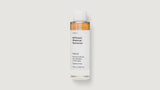
CORRECT · Targeted Dark Spot Care is a targeted formula with 1% kojic acid and a precision applicator for individual areas. Apply it according to the directions on the product page and packaging.
EVEN · Tone-Evening Moisturizer is a full-face moisturizer with kojic acid, sea buckthorn, and paprika extract, designed for broader areas of uneven-looking tone. Its cream format combines the tone-focused step with daily moisture.
Start with one new product rather than introducing CORRECT, EVEN, and several other actives at the same time. This is less exciting than a complete overnight routine change, but it is far more useful for understanding tolerance. Follow the frequency and order listed for the specific formula.
Layering with other actives
Kojic-acid formulas may be used in routines that also contain vitamin C, exfoliating acids, retinoids, or botanical retinol alternatives, but compatibility depends on the complete formulas and the person using them. There is no need to place every brightening ingredient in the same evening routine.
If you use an exfoliating acid or retinoid, alternate nights while you learn how your skin responds. Prescription retinoids and clinician-directed pigment treatments deserve individualized guidance. A moisturizer can support comfort, while sunscreen helps reduce additional UV-driven discoloration.
A Note on Formula Stability
Kojic acid can change color as a formula ages or is exposed to unsuitable storage conditions. A small color variation is not automatically a safety issue, but a pronounced change in color, odor, or texture is a reason to stop and check the product guidance.
Keep the container closed, store it away from unnecessary heat and direct light, and follow the period-after-opening symbol. Do not transfer the formula to a different container, which can change its exposure to air and light. These simple habits help protect the formula through its intended period of use.
Where to Start
For one or two discrete marks, the targeted CORRECT format may be the simplest starting point. For broader uneven-looking tone, EVEN may better match the desired application area. Choose one, patch test, follow its directions, and give the routine time before deciding whether to add another step.
If you already use AURA · Vitamin C Serum, keeping vitamin C in the morning and a kojic-acid product in the evening can make the routine easier to follow. Finish every morning with broad-spectrum sunscreen. The goal is not to stack the most actives; it is to build a routine your skin tolerates consistently.
The BALANCE · The Hyperpigmentation Routine brings CORRECT, EVEN, and BLEND together. Explore the ARNEUX skin care collection for additional cleansing, moisturizing, and tone-focused options. Each product page includes its directions and ingredient list.
Sources and Further Reading
- European Commission SCCS final opinion on kojic acid
- FDA overview of cosmetic ingredients
- FDA guidance on cosmetic and drug intended use
- Randomized comparative study involving 1% kojic-acid preparations
Frequently Asked Questions
Does kojic acid work on dark spots?
Kojic acid is a widely used cosmetic ingredient for improving the look of dark spots and uneven tone, with results that build gradually.
Kojic acid comes from fungi used in fermentation and is used in skincare for its effect on the appearance of pigmentation. It works best as part of a consistent routine alongside daily sunscreen, because new sun exposure keeps darkening marks. CORRECT is targeted dark spot care with 1% kojic acid and a precision applicator for localized spots and post-blemish marks.
How do I start using kojic acid?
Start two to three evenings per week on the areas you want to treat, then increase only as your skin tolerates it.
This slow start is listed in the directions for CORRECT: apply a small amount at night only to areas of uneven-looking tone, avoid the eye area and broken or irritated skin, and increase frequency gradually. Mild dryness can happen; stinging or redness that persists is a sign to stop. Wear broad-spectrum sunscreen every day while using it. Most people need 8 to 12 weeks of steady use to judge the results.
Can I use kojic acid all over my face?
Yes, in a full-face formula designed for it, rather than spot treatment applied everywhere.
Spot treatments are concentrated for small areas. For overall uneven-looking tone, a moisturizer formula is easier to use daily. EVEN is a full-face daily moisturizer with kojic acid that hydrates and supports a more even-looking complexion; apply it after serums, morning or evening as tolerated. BALANCE pairs CORRECT, EVEN, and BLEND CC cream in one routine. Avoid the eye area and broken skin, and wear sunscreen daily.
Can I use kojic acid and vitamin C together?
Many people use both, typically vitamin C in the morning and kojic acid at night, introduced one at a time.
Splitting them by time of day keeps the routine simple and makes it easier to spot irritation. AURA is a stabilized vitamin C serum for dark spots and dull tone, applied in the morning before moisturizer and SPF. Use CORRECT or EVEN at night. Add the second product only after your skin has adjusted to the first for a couple of weeks.