You have heard that vitamin C serum belongs in a morning routine. Perhaps you tried one and found it stung, or did nothing you could see, or turned orange in the bottle halfway through. The range of experiences people report with vitamin C comes down mostly to two things: the stability of the formula and how it is used.
Here is what vitamin C does in skin, what to look for in a formula, and where it belongs in your routine.
What Vitamin C Does in Skin
Vitamin C (ascorbic acid) is a water-soluble antioxidant. Its main role on the skin is to neutralize reactive oxygen species, the free radicals generated by UV exposure, pollution, and everyday oxidative stress. That stress contributes to uneven pigment, the breakdown of collagen, and dullness over time.
Beyond its antioxidant role, vitamin C does several other useful things:
Supports collagen: Vitamin C is a required cofactor for the enzymes that stabilize collagen. Topical vitamin C has been shown to support collagen production in skin, which over months can contribute to firmer, smoother-looking skin.
Helps even tone: Vitamin C mildly interferes with tyrosinase, the enzyme involved in making pigment, which supports a brighter, more even complexion over time.
Complements sunscreen: Research suggests antioxidants such as vitamin C, especially combined with vitamin E and ferulic acid, can add to the protection sunscreen provides against UV-related oxidative damage. Vitamin C is not a sunscreen and does not replace one; the two work best together.
Why Stability Matters
Pure L-ascorbic acid is the most studied form of vitamin C, and also the least stable. It oxidizes on exposure to air, light, and heat, and an oxidized serum, often visibly yellow-orange or brown, loses much of its benefit.
This is a common reason vitamin C serums disappoint. What to look for instead:
A stable form, or a stabilized formula. Derivatives such as ascorbyl glucoside, sodium ascorbyl phosphate, and 3-O-ethyl ascorbic acid are more stable than pure ascorbic acid and are converted to active vitamin C in the skin. L-ascorbic acid can also be stabilized with careful pH control and supporting antioxidants such as ferulic acid and vitamin E.
Protective packaging. Opaque or amber bottles and airless pumps slow oxidation.
Freshness. Follow the period-after-opening symbol on the pack and stop using a serum that has changed color noticeably.
What Concentration Works
Studies on L-ascorbic acid commonly use 10% to 20%. Higher concentrations raise the risk of stinging without a matching gain in results. Derivatives are used at different strengths because they convert to vitamin C in the skin, so their percentages are not directly comparable. Stability and consistent use matter more than chasing the highest number on the label.
Who Benefits From Vitamin C
Dull or uneven skin: consistent morning use over eight to twelve weeks often brings a brighter, more even look.
Dark spots: vitamin C helps most with diffuse or early discoloration. For established spots, pairing morning vitamin C with an evening kojic acid treatment covers two different pathways. See Kojic Acid for Dark Spots.
Early signs of aging: its collagen support and antioxidant role make it a long-term ally alongside daily sunscreen.
Sensitive skin: pure ascorbic acid at high strength can sting. A gentler derivative is often a better fit. Patch test first.
How to Apply Vitamin C Serum
1. Cleanse and gently pat skin dry, leaving it slightly damp.
2. Apply a few drops to face and neck and press in lightly.
3. Let it absorb for about a minute.
4. Follow with moisturizer, then sunscreen as the final morning step.
Morning is the most useful time, because vitamin C's antioxidant role works alongside sunscreen during the hours of UV exposure. Evening use is fine if that suits your routine better, but you lose that daytime pairing.
How Vitamin C Layers With Other Actives
With sunscreen: the essential pairing, vitamin C first and sunscreen last.
With niacinamide: compatible for most people with modern formulas. See What Does Niacinamide Do for Skin.
With kojic acid: a natural pairing, vitamin C in the morning and kojic acid in the evening.
With a retinol alternative: vitamin C in the morning, a botanical retinol alternative such as Bidens pilosa extract in the evening.
With exfoliating acids: if your skin is sensitive, use them on different days or at different times.
Vitamin C in the ARNEUX Range
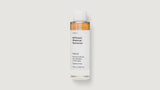
ARNEUX AURA · Vitamin C Serum uses ascorbyl glucoside, a stable vitamin C derivative, with ferulic acid, sea buckthorn, rosehip, and hyaluronic acid. It contains a botanical fragrance. COSMOS certified.
Apply it as the first serum of your morning routine, before moisturizer and sunscreen. For dark spots, pair it in the evening with ARNEUX CORRECT · Targeted Dark Spot Care, applied to individual spots at night, or ARNEUX EVEN · Tone-Evening Moisturizer, both with kojic acid.
What Results to Expect
Two to four weeks: skin may look brighter and more even in texture.
Six to eight weeks: early discoloration may begin to soften, as new, less pigmented skin cells reach the surface.
Three months and beyond: gradual improvement in the look of firmness and fine lines, with consistent use and daily sunscreen.
Results vary by person and formula. Daily use over months matters more than any single application.
Where to Start
If you are new to vitamin C, add AURA as your first morning serum, follow with moisturizer and sunscreen, and give it eight weeks before judging. For a sequenced approach to uneven tone, discover BALANCE · The Hyperpigmentation Routine. To build a morning routine from the beginning, see First Skincare Routine: A Beginner's Guide.
Frequently Asked Questions
What is a good natural vitamin C serum for dark spots?
Look for a stabilized form of vitamin C, a clear percentage, and an independent certification.
AURA is a stabilized vitamin C serum for dark spots, dull tone, and dehydrated skin that brightens and helps skin tone look more even, with a lightweight, fast-absorbing finish. Its product page lists a 2% vitamin C complex of ascorbyl glucoside with 1% ferulic acid, 99% natural origin, and COSMOS NATURAL certification by ECOCERT Greenlife. It costs $58 for 30 ml. Note that AURA contains fragrance, so patch test if your skin is sensitive.
When should I apply vitamin C serum?
Apply vitamin C in the morning on clean skin, then moisturizer and sunscreen.
Vitamin C is an antioxidant, so it pairs naturally with daytime protection. The directions for AURA are to apply to clean skin in the morning, allow it to absorb, then follow with moisturizer and SPF. Use 2 to 3 drops for the face and neck. Daily broad-spectrum sunscreen matters most for dark spots, as new sun exposure darkens them again.
What is the difference between ascorbyl glucoside and pure vitamin C?
Pure vitamin C (L-ascorbic acid) is potent but unstable, while ascorbyl glucoside is a stabilized, water-soluble form that skin converts to vitamin C.
L-ascorbic acid oxidizes quickly once opened and often needs a low pH that can sting. Derivatives such as ascorbyl glucoside are gentler and more stable, which suits daily use and sensitive skin. They may work more gradually, so consistency matters. AURA uses ascorbyl glucoside with ferulic acid, an antioxidant commonly paired with vitamin C. Keep any vitamin C product closed and out of direct sunlight.
Can I use vitamin C with kojic acid?
Yes; a common routine uses vitamin C in the morning and kojic acid at night.
Splitting them by time of day keeps irritation risk low and makes each easy to judge. Use AURA in the morning, then at night apply CORRECT 1% kojic acid care to localized spots, starting 2 to 3 evenings per week. For full-face tone, EVEN is a kojic acid moisturizer. BALANCE combines CORRECT, EVEN, and BLEND in one routine. Add the second product after about 2 weeks.