Peptides sit in an interesting place in skin care. They are often described as signals, collagen supporters, or even topical alternatives to injectable treatments. Some of that language reflects real research, but “peptide” is a broad category rather than one ingredient, and the evidence for one peptide cannot automatically be applied to another. The most useful way to evaluate a peptide formula is to identify the exact peptide, look at the formula around it, and set expectations that match the research.
Here is the practical version: topical peptides can be a well-tolerated part of a routine for smoother-, firmer-looking skin, but they work gradually, results vary, and no serum can reproduce the structural effect of a medical procedure.
What Peptides Are
Peptides are short chains of amino acids, the same building blocks used to make larger proteins. Collagen, elastin, and keratin are proteins, while peptides are much smaller and can have many different structures and functions. In cosmetics, peptides may be included to condition skin, support hydration, or help improve the visible appearance of firmness, texture, and fine lines.
The popular “messenger” explanation comes from the way some naturally occurring peptide fragments participate in biological signaling. In the laboratory, certain synthetic or biomimetic peptides have also been studied for effects related to extracellular-matrix proteins. That does not mean every peptide crosses the skin barrier, reaches the same target, or produces the same visible result. Molecular size, sequence, concentration, vehicle, stability, and the rest of the formula all matter.
This is why a label that says only “peptide complex” tells you less than a complete ingredient list that names the peptide. Palmitoyl pentapeptide-4, acetyl hexapeptide-8, copper tripeptide-1, and Hexapeptide-11 are different ingredients. Research on one is useful background, not proof for all the others.
The Research Behind Topical Peptides
Published studies suggest that some topical peptide formulas can produce modest improvements in the appearance of wrinkles or skin texture. The overall evidence is encouraging but uneven. Studies often involve small groups, short treatment periods, different peptide concentrations, and complete formulas containing other active ingredients. Supplier-sponsored research is also common, so results are best read as ingredient-specific context rather than universal promises.
Palmitoyl pentapeptide-4, sometimes associated with the Matrixyl name, is among the better-known cosmetic peptides and has been evaluated in topical wrinkle studies. Acetyl hexapeptide-8, commonly called Argireline, has been studied for the appearance of expression lines. Copper peptide research spans several biological and cosmetic questions. These studies help explain why peptides are used in skin care, but they do not establish how a formula containing a different peptide will perform.
REVIVE contains 2% Hexapeptide-11. A small study involving 25 volunteers evaluated a toner containing 2.8% Hexapeptide-11 twice daily for four weeks. It reported improvement in an initial elastic-response measurement, while other measurements changed less clearly. The study offers early context for this specific peptide; formula, concentration, routine, and individual skin still shape the visible result.
A broader reading of topical-peptide research leads to a balanced conclusion: peptides can be worthwhile for someone who values a comfortable, consistent routine, but the likely cosmetic effect is gradual and generally more modest than dramatic marketing language suggests.
Topical Peptides vs Injectable Treatments
Topical products and injectable treatments belong to different categories. Botulinum toxin is administered by a qualified medical professional to temporarily reduce selected muscle activity. Dermal fillers add volume through an injected material. Other procedures may stimulate remodeling through controlled clinical intervention. Those outcomes, risks, costs, and recovery considerations are not comparable to applying a serum.
A peptide serum stays within the role of daily cosmetic care. It may help skin look smoother, more hydrated, or firmer over time, depending on the formula and the person using it. It cannot immobilize a muscle, replace lost volume, or deliver the same result as an in-office procedure. Describing topical peptides as “needle-free injectables” creates the wrong expectation.
The more useful comparison is about preference. Some people want a gentle daily step and are comfortable with subtle, cumulative cosmetic improvement. Others want to discuss medical options with a qualified clinician. Those choices can also coexist, provided the clinician knows which products are being used around a procedure.
Which Peptides to Look For in a Formula
Start with the complete INCI list. A named peptide lets you look for evidence relevant to that ingredient instead of relying on a generic category claim. Then consider the complete formula: humectants can improve hydration, emollients can soften the surface, and antioxidants or other supporting ingredients can influence how skin looks and feels. The visible result always comes from the finished formula and routine, not from one ingredient in isolation.
Packaging and storage matter too. Follow the period-after-opening symbol, close the product after use, and keep it away from unnecessary heat and direct light. More product is not automatically better; use the amount and frequency shown on the label.
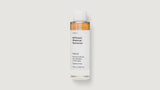
ARNEUX REVIVE · Peptide Anti-Aging Serum is centered on 2% Hexapeptide-11 and also contains Dipalmitoyl Hydroxyproline, hyaluronic-acid ingredients, and a moisturizing serum base. It is designed to support hydrated, smoother-, firmer-looking skin. Its lightweight texture fits after cleansing and before moisturizer, morning or evening.
How to Use Peptides in Your Routine
Peptides are generally easy to place in a routine because the texture of the finished product usually determines the order. After cleansing, apply water-based serums from lightest to richer, then moisturizer. In the morning, finish with broad-spectrum sunscreen. At night, finish with the moisturizer or facial oil that suits your skin.
REVIVE may be used morning and evening according to its product directions. Apply a small amount to clean skin, allow it to absorb, and follow with moisturizer. Consistency is more useful than applying an excessive amount. If you are introducing several new products, add them one at a time so you can understand how your skin responds.
Peptides can be paired with hydrating ingredients such as hyaluronic acid and with many everyday moisturizers. If your routine also includes exfoliating acids, retinoids, strong vitamin C formulas, or prescription products, tolerance depends on the complete formulas and your skin. Alternating products can be simpler than stacking every active in one session. For sensitive or reactive skin, patch test first and reduce frequency if discomfort develops.
GLOW, RENEW, and FOCUS use Bidens pilosa extract as their botanical retinol-alternative ingredient. That is distinct from bakuchiol and distinct from the Hexapeptide-11 used in REVIVE. If you choose to combine these products, layer by texture and introduce the combination gradually rather than assuming that more actives will produce faster results.
What Results Are Realistic
Hydration and a softer skin feel may be noticeable before changes in the appearance of fine lines or firmness. Longer-term cosmetic changes require consistent use and depend on age, sun exposure, barrier condition, the rest of the routine, and the finished formula. A fixed eight-week, six-month, or one-year outcome cannot be promised for every person.
Take a simple baseline photograph in the same lighting if you want to judge progress. Reassess after using the product consistently rather than checking from day to day. If the formula feels comfortable and contributes to a routine you can maintain, that practical consistency is one of its main strengths.
Season, humidity, sleep, and the products layered alongside a serum can also change how skin looks from one day to the next. Compare over time, in similar conditions, for a more useful view.
Peptides are best understood as one part of a complete routine. Gentle cleansing, adequate moisture, daily sunscreen, and realistic expectations do more for long-term consistency than chasing a dramatic claim from a single ingredient.
Sources and Further Reading
- Study including a topical 2.8% Hexapeptide-11 toner
- Clinical research on palmitoyl pentapeptide-4
- Randomized study of a copper-peptide formulation
- Systematic review and meta-analysis of peptide interventions for skin aging
Shop this routine: REVIVE · Peptide Anti-Aging Serum · GLOW · Retinol Alternative Serum · RENEW · Retinol Alternative Moisturizer · FOCUS · Retinol Alternative Eye Serum
Frequently Asked Questions
Do peptides in skincare really work?
Peptides are well-tolerated ingredients with promising research for the look of fine lines and firmness, though results vary by peptide and formula.
Peptides are short chains of amino acids that act as messengers in skin. Studies on specific peptides, including palmitoyl pentapeptide-4 and hexapeptide-11, have shown improvements in the appearance of wrinkles, but many studies are small. Pick a serum that names its peptide. REVIVE contains a 2% Hexapeptide-11 peptide complex with hyaluronic acid and Ginkgo biloba leaf extract. Patch test first.
How do I use a peptide serum?
Apply a few drops to clean skin morning and evening, then moisturizer.
Peptides are gentle, so twice-daily use is common. For REVIVE, press a few drops into the face and neck, then follow with moisturizer; refrigeration is optional for a cooling feel. Give it several weeks of consistent use before judging results. REVIVE is listed as 99% natural origin and COSMOS NATURAL certified. Peptides layer well under moisturizer and sunscreen, so they fit easily into an existing routine.
Can I use peptides with a retinol alternative?
Yes; peptides pair well with retinol alternatives and are often used in the same routine.
A simple approach is REVIVE in the morning and a retinol alternative in the evening. GLOW is a retinol alternative serum with Bidens pilosa extract, followed by RENEW moisturizer. For the eyes, FOCUS is a retinol alternative eye serum. Apply the serum first, then moisturizer. AGELESS combines GLOW, FOCUS, and RENEW in one routine, and REVIVE can sit alongside it in the morning.
Are peptides safe for sensitive skin?
Peptides are generally well tolerated, which is one reason they are popular in sensitive-skin routines.
Any product can still cause a reaction, often because of other ingredients such as fragrance, so check the full ingredient list and patch test first. Introduce one new product at a time and stop if you see persistent redness. REVIVE is listed as 99% natural origin. If you have a known allergy, check the full ingredient list on the product page before buying, and see a dermatologist if a reaction persists.