You wake up and your face looks visibly different from how it looked the night before: fuller around the eyes, softer through the jawline, or generally more swollen. By mid-morning, much of that temporary puffiness may have eased as you spend time upright and move through the day.
Morning puffiness is common, but it is not one single condition. Sleep position, normal shifts in fluid distribution, a salty meal, alcohol, allergies, irritation, and inadequate sleep can all affect how the face looks on waking. A few gentle steps may help the face look more refreshed, but they do not treat persistent swelling or an underlying medical cause.
What Causes Facial Puffiness
Position and fluid distribution
Fluid moves through the spaces between tissues and is returned to circulation through the lymphatic system. Unlike blood circulation, lymphatic movement has no central pump like the heart; it is influenced by breathing, muscle movement, pressure changes, and the system's own vessels and valves. Spending several hours lying down changes the effect of gravity and can make fluid more noticeable in the face, especially around the eyes where the tissue is delicate.
This helps explain why ordinary morning puffiness often improves after you get up. Time upright, facial movement, blinking, and normal daily activity all change fluid distribution. It also explains why a cosmetic routine should be gentle: the goal is not to force fluid out of the face, but to support comfort while the body does what it normally does.
Sodium, alcohol, and sleep quality
A salty evening meal can contribute to temporary water retention. Alcohol can also change hydration, blood-vessel behavior, sleep quality, and inflammation, so the next morning may look different for more than one reason. The useful response is not a dramatic “detox.” Return to your normal balanced meals, drink according to thirst, and give the body time to restore its usual fluid balance.
Sleep position
Sleeping with one side of the face pressed into a pillow can create short-lived compression marks and make fullness appear uneven. Some people find that sleeping on their back with the head comfortably elevated reduces the look of morning swelling. That is a practical option, not a requirement, and comfort and safe sleep should come first.
Allergies, irritation, and inflammation
Seasonal allergies can make the eye and nasal area look puffy. A new cosmetic, hair product, detergent, or fragrance can also trigger irritation or an allergic response. In those cases, massage and skincare do not address the cause. Stop a suspected new product, avoid rubbing the area, and seek appropriate medical advice when symptoms are significant or do not settle.
A damaged skin barrier may add redness, tightness, or stinging to the picture. When the skin feels reactive, simplify the routine rather than adding more tools and actives. A gentle cleanser, a familiar moisturizer, and daytime sun protection are a better foundation than an aggressive depuffing routine.
Facial Massage: What the Research Tells Us
Facial lymphatic massage is often presented as a proven way to drain ordinary morning puffiness. The evidence is more limited than that wording suggests. Small clinical studies have evaluated manual lymphatic drainage after facial surgery, when swelling is expected and clinically measured. One randomized study reported faster regression in some facial measurements, while another small randomized study did not find a statistically significant difference between the massage and control groups. Postoperative swelling is also not the same as routine puffiness after sleep.
For everyday care, a brief, gentle massage may feel soothing, create a temporary refreshed appearance, and provide a consistent way to apply skincare without tugging. Think of it as an optional comfort step rather than a treatment with guaranteed or cumulative results.
A gentle sequence
Start with clean hands and enough moisturizer, gel, or face oil for slip. Use light contact; pressure that hurts, leaves marks, or pulls the skin is unnecessary.
- Begin at the neck. With flat fingers, make a few slow strokes down the sides of the neck toward the collarbone. Avoid the front of the throat and do not press over sore or swollen areas.
- Move across the forehead. Glide from the center of the forehead toward the temples without pushing hard.
- Use extra care under the eyes. With a ring finger or very light fingertip contact, move from the inner orbital area toward the outer corner. Stay on the orbital bone and keep product out of the eyes.
- Finish along the jaw. Glide from the chin toward the ears, then repeat the soft downward neck strokes.
One or two minutes is enough. More pressure and more passes are not automatically more effective. Skip facial massage over an active rash, infection, recent procedure, painful swelling, or broken skin. If you have had surgery or are being treated for lymphedema, follow the technique given by your clinician rather than a general beauty tutorial.
Gua Sha for a Temporary Refreshed Look
Gua sha is a traditional technique that has been adapted for modern skincare routines. A smooth-edged tool can make light, even strokes easier, but the tool itself is not a shortcut to a permanently sculpted face. Any visible change is likely to be temporary and may reflect a combination of cooling, movement, pressure, and the way light falls across freshly moisturized skin.
Apply a product that gives the tool plenty of glide. Hold the tool nearly flat against the skin and use slow strokes from the center of the face outward. Around the eyes, use the lightest possible touch. Three gentle passes per area are usually sufficient. Wash the tool before and after use and do not share it.
Red dots, bruising, prolonged redness, or soreness are signs to stop. They are not proof that the technique is “working.” Avoid scraping dry skin, pressing over inflamed acne, or trying to reshape the face through force. If a chilled tool feels comfortable, cool it in the refrigerator rather than the freezer and check the temperature on the inside of your wrist first.
Where Caffeine Fits
Caffeine is widely used in eye and face products for a temporarily more awake appearance. It can interact with adenosine receptors and superficial blood vessels, and laboratory research shows that caffeine can enter skin. Delivery depends heavily on the complete formula, however; concentration alone does not tell you how much reaches a particular skin layer or what a finished product will visibly do.
Human cosmetic evidence is modest. One small study tested an eye pad containing caffeine, vitamin K, and an emollient base against a placebo pad in 11 women. Because the active pad contained several ingredients and the study was very small, it cannot isolate caffeine or establish the performance of every caffeine serum. Research on caffeine penetration likewise compares specific laboratory vehicles rather than proving a universal depuffing effect.
The practical conclusion is measured: a well-formulated caffeine gel may feel cooling and may temporarily improve the look of tired or puffy skin for some people. It will not change facial anatomy, remove under-eye fat pads, or treat swelling caused by allergy, infection, medication, or illness.
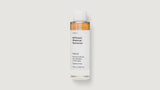
ARNEUX LIFT · Caffeine Gel Booster is a lightweight caffeine gel designed to be mixed into the moisturizer you already use. Add 1 to 3 drops to your face or eye moisturizer, morning and evening, and pat rather than rub around the eye area. Avoid direct eye contact and stop if irritation develops. It contains fragrance. COSMOS certified.
Cooling: Simple and Temporary
A cool compress can make the face feel calmer and may temporarily reduce the look of puffiness. Use a clean, cool damp cloth for a short period, or chill a reusable tool according to its instructions. Do not place ice directly on the skin, and do not use extreme cold to chase a stronger effect. The under-eye area is delicate, and discomfort, numbness, or prolonged redness is a reason to stop.
Cucumber slices mainly function as a cool, damp compress. A chilled cloth can offer the same practical benefit with less slipping. A cold roller can also feel pleasant; its effect is cooling rather than detoxification.
Common Facial-Puffiness Myths
“Detoxing” the face: Ordinary morning puffiness is not evidence that toxins are trapped in the skin. The liver, kidneys, circulation, and lymphatic system continuously manage waste and fluid balance.
Permanent contouring: Massage, gua sha, rollers, and cold may create a temporary visual change. They do not permanently alter bone structure, remove fat, or lift tissue.
More water as an instant fix: Consistent hydration supports general health, but drinking a large amount of water at once is not a targeted facial treatment. Drink normally and according to your needs.
Eliminating sodium after one meal: A balanced approach is more useful than compensating with restriction. If you notice a repeatable pattern, adjust evening choices over time rather than treating one puffy morning as a crisis.
Hard pressure: Stronger massage does not mean better drainage. Pain, marks, and bruising signal excess pressure and can add inflammation instead of improving the appearance.
A Five-Minute Morning Routine
- Hold a clean, cool damp cloth over the puffy area briefly. Keep the temperature comfortable.
- Mix 1 to 3 drops of LIFT into your moisturizer, if caffeine suits your skin.
- Apply the mixture and use one to two minutes of light outward facial strokes, finishing gently down the sides of the neck. Skip massage if the area is painful, irritated, or medically swollen.
- Do not layer several new actives just because the face looks tired.
- Finish with broad-spectrum sunscreen. Sun protection matters more to long-term skin appearance than any short-lived contouring effect.
Keep the routine simple enough to repeat. If your face naturally settles after you have been awake for a while, you may need nothing beyond cool water and your normal skincare. Cosmetic tools are optional.
For more on the eye area, read Under-Eye Bags, Dark Circles, and Puffiness. For a full morning sequence, visit the Skin, Hair & Body Routines page.
When Puffiness Needs Medical Attention
Cosmetic morning puffiness is usually mild and temporary. Sudden, severe, painful, one-sided, or worsening facial swelling is different. Seek prompt medical care when swelling persists or comes with fever, redness, tenderness, eye symptoms, dental pain, hives, or a new medication reaction. Facial or tongue swelling with trouble breathing is an emergency; call local emergency services immediately.
Sources
- Postoperative Orthognathic Surgery Edema Assessment With and Without Manual Lymphatic Drainage
- The Effect of Manual Lymphatic Drainage on Patient Recovery After Orthognathic Surgery
- Evaluation of an Eye Pad Containing Caffeine and Vitamin K
- Caffeine Penetration and Permeation Through Human Epidermis in Different Formulations
- MedlinePlus: Facial Swelling
Frequently Asked Questions
How do I depuff my face fast?
Cold, gentle massage and a caffeine product are the quickest ways to reduce morning puffiness.
Puffiness is fluid that collects overnight, especially after salty food, alcohol, or little sleep. A cold compress for 1 to 2 minutes helps. Gentle upward and outward strokes from the center of the face toward the ears can help move fluid. LIFT is a cooling caffeine gel booster; mix 1 to 3 drops into your moisturizer or apply directly. Sleeping with your head slightly raised can prevent it.
Does lymphatic drainage massage work on the face?
Many people find gentle facial massage reduces the look of puffiness, although evidence for long-term changes is limited.
Use light pressure, as the lymph vessels sit just under the skin. Start at the neck, then move from the center of the face outward toward the ears and down the neck. Use a slip product, such as moisturizer, so fingers glide. Two to five minutes is enough. If swelling is painful, one-sided, or does not go away, see a doctor. A routine of 2 to 5 minutes is enough.
Can I mix caffeine into my moisturizer?
Yes; some caffeine boosters are designed to be mixed into your usual moisturizer.
LIFT is made for this: mix 1 to 3 drops into your face or eye moisturizer, morning and evening. It is especially useful for the skin around the eyes. Pair it with DAY moisturizer in the morning for a light base under SPF and makeup. A cool gel texture adds an extra fresh feel. Keep it away from the eyes themselves.
What causes a puffy face in the morning?
Fluid shifts while lying down, salty food, alcohol, allergies, and poor sleep are the most common causes.
Most morning puffiness eases within an hour or two of being upright. Drinking enough water, limiting late salty meals and alcohol, and treating allergies can reduce it. Persistent or severe swelling can be a sign of a medical issue, such as thyroid or kidney problems, so see a doctor if it does not improve. For daily puffiness, LIFT and WINK eye patches help with a fresher look.