Urea in Skincare: Why It Works for Dry, Rough Skin
Your elbows stay dry regardless of how much lotion you apply. Your heels crack in winter. Your lower legs feel rough and tight after showering, even though you moisturize straight away. Standard lotions bring temporary relief, but the dryness returns within hours.
This pattern, dryness that does not respond to ordinary moisturizers, usually means the outer skin layer is short on its own water-binding molecules. The skin's natural moisturizing factors are depleted, the surface becomes rough and compacted, and an oil-based lotion simply seals in skin that has not been rehydrated from within.
Urea is one of the ingredients best suited to this situation. It has been used in dermatology for decades and has a long track record in research on dry skin.
What Urea Is
Urea is a small, water-soluble molecule that occurs naturally in the body. In healthy skin, it is part of the natural moisturizing factor (NMF), the group of water-binding molecules inside skin cells that keeps the outer layer hydrated. People with chronically dry skin, eczema, or ichthyosis often have lower NMF levels, including less urea.
The urea used in skincare is made to pharmaceutical standards and is structurally identical to the urea the body produces.
How Urea Works at Different Concentrations
Below 10%: Urea works mainly as a humectant, drawing water into the outer skin layer and helping it stay there. This range suits daily body use on dry skin.
At 10% and above: Urea becomes keratolytic, loosening the bonds between compacted dead skin cells so rough, thickened areas soften and shed more easily. Higher strengths are used for cracked heels, calluses, very rough elbows and knees, and keratosis pilaris.
Urea does not abrade. It works chemically rather than by scrubbing, which makes it practical for dry skin that is also easily irritated. Very high strengths can sting on broken skin, so they are best kept to thick, intact areas like heels.
Urea vs Other Moisturizing Ingredients
Hyaluronic acid is an excellent humectant that gives immediate surface hydration, but it has no keratolytic activity. For chronically rough or thickened skin, urea addresses a texture problem hyaluronic acid cannot.
Glycerin is a highly effective humectant and a staple of good moisturizers. Like hyaluronic acid, it hydrates without softening thickened skin the way higher-strength urea does.
Occlusives such as shea butter, plant oils, and petrolatum slow water loss by forming a seal on the surface. They do not add water themselves. Applied over a humectant, they lock in the hydration it has delivered.
Who Benefits Most
Urea and related humectants are most useful for dry, rough skin that does not respond well to standard moisturizers: bumpy texture on the arms and thighs, rough elbows and knees, very dry lower legs, and skin that feels tight even in humid weather. For cracked heels and calluses, a dedicated high-strength urea foot cream is worth adding.
A Urea-Derived Lotion in a Certified Natural Formula
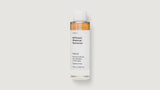
ARNEUX HYDRATE · Hydrating Body Lotion uses hydroxyethyl urea, a urea-derived humectant that hydrates without the stickiness or tingle of high-strength urea, alongside panthenol (provitamin B5), glycerin, sodium PCA, and hyaluronic acid in a lightweight, fast-absorbing formula. It is designed for daily all-over hydration on rough, dry skin rather than as a keratolytic treatment. COSMOS certified.
Apply to damp skin straight after showering, before the water has evaporated. Humectants work best when there is surface moisture for them to hold. For extra softness on very dry areas, follow with a few drops of ARNEUX NOURISH · Omega 6-9 Glowing Skin Body Oil, which is certified organic, to seal it in.
Discover the full Body collection or the ARNEUX Routines page.
Frequently Asked Questions
What does urea do for dry skin?
Urea is a humectant that draws water into the skin and, at higher strengths, helps soften rough, flaky areas.
Urea is naturally found in skin as part of its natural moisturizing factor. Lotions with around 5% to 10% urea are commonly used for dry, rough skin, while higher strengths target very thick skin such as heels. HYDRATE is a lightweight body lotion with 5% urea and panthenol that softens rough areas like elbows, knees, and heels and absorbs quickly without a greasy finish.
Is 5% urea strong enough?
For everyday dry, rough body skin, 5% urea is a common and comfortable strength.
Low to moderate strengths hydrate and soften with less stinging than high-strength urea products. HYDRATE pairs 5% urea with panthenol for daily use. Apply generously to damp or dry skin after showering and focus on rough areas. For very cracked heels, a stronger targeted product or advice from a podiatrist may be needed. Avoid applying urea to broken or freshly shaved skin, where it can sting.
Can I use urea lotion every day?
Yes; urea lotions at moderate strengths are made for daily use.
Daily use after showering is the direction for HYDRATE, as step 2 after LATHER body wash. Consistency matters more than amount. You should notice softer skin within 1 to 2 weeks. If you prefer extra glow, follow with a few drops of NOURISH body oil on damp skin. ELEVATE combines LATHER, REFINE, HYDRATE, and NOURISH in one set. Use it once or twice a day.
Is urea safe for sensitive skin?
Most people tolerate moderate-strength urea well, but it can sting on cracked or broken skin.
Patch test on a small area for a few days. If you have eczema, ask a dermatologist before starting, as some people with eczema find urea soothing and others find it stings. Apply to intact skin only. HYDRATE is listed as non-greasy and quick-absorbing, which makes it easy to apply twice a day on very dry areas. Stop if it burns.